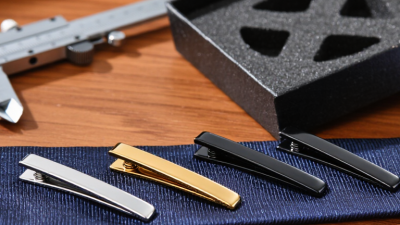
How to Choose the Right Tie Bar for Global Sourcing?
Choosing the right Tie Bar for global sourcing requires more than comparing prices. A polished sample may look excellent under showroom lighting, yet fail after repeated clipping, shipping, or storage. The details matter: base metal, plating thickness, spring tension, edge finishing, logo accuracy, packaging, and inspection records.
G. Bruce Boyer, a respected menswear writer and neckwear authority, once observed, “Real luxury is never ostentatious.” This principle applies to Tie Bar sourcing. A reliable product should hold a tie firmly without crushing its fabric. It should complement business clothing without appearing oversized or overly decorative. Small decisions influence perceived quality.
Material choice comes first. Stainless steel offers strength and stable performance. Brass allows flexible styling but needs dependable plating control. Silver-tone finishes can reveal scratches quickly. Gold-tone finishes may appear inconsistent across production batches. Ask suppliers for samples from different lots, not only one perfect piece.
Size matters too. A Tie Bar should usually span about half to three-quarters of the tie’s width. Still, customer preferences vary by market. That assumption needs testing. Request measurement drawings, tolerance data, and test videos. Check the clip on silk, wool, and thicker woven ties.
Supplier evaluation should include factory experience, quality procedures, production capacity, and ethical business practices. Confirm export documentation and product declarations. No sourcing checklist is flawless. Unexpected issues happen. A missing protective film, a loose hinge, or incorrect carton labeling can delay delivery.
The strongest global sourcing decision balances appearance, durability, compliance, communication, and total cost. Cheap is not always efficient. A dependable Tie Bar earns trust after purchase.
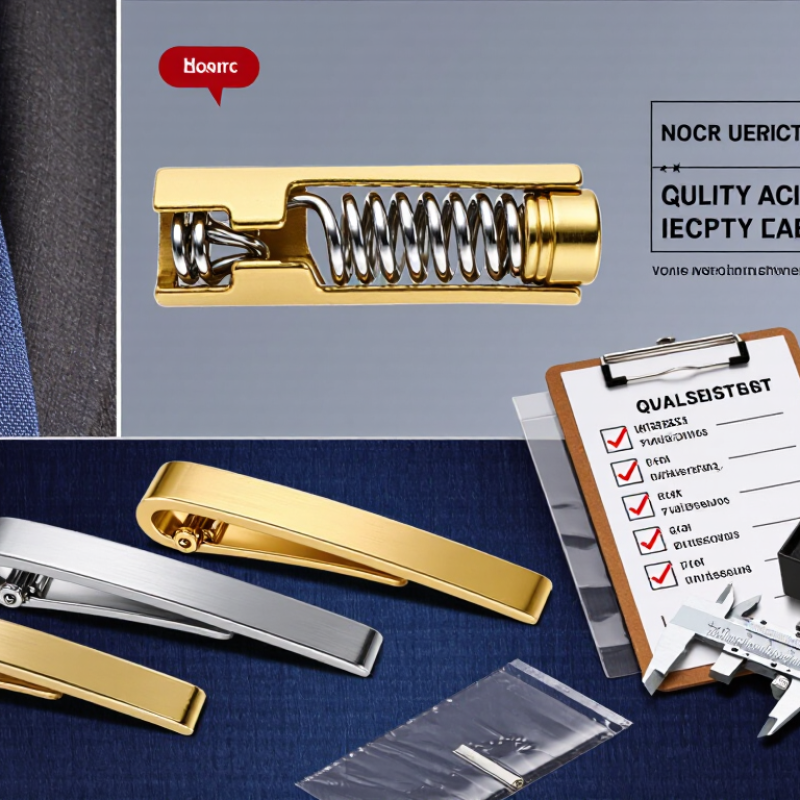
Understanding Tie Bar Types, Materials, and Functional Requirements
How to Choose the Right Tie Bar for Global Sourcing?
Choosing a tie bar starts with its function, not its appearance. A classic pinch tie bar grips fabric with a spring mechanism. A slide bar holds lighter ties but may loosen during movement. For uniforms, commuting, or frequent wear, test the grip on different fabric weights. A bar that works on silk may fail on textured wool.
Material affects durability, weight, and purchasing cost. Stainless steel offers strong corrosion resistance and a clean, consistent surface. Brass feels substantial and accepts many finishes, but it can add weight. Zinc alloy supports detailed shapes and lower-cost production, although thin sections may break under repeated stress. Ask suppliers for material declarations, coating specifications, dimensional drawings, and sample approval records. Check the hinge, teeth, edges, and plating under bright light. Small scratches often reveal weak process control.
Tips: Define the bar length, wire thickness, finish, and acceptable color variation before requesting quotations. Test at least three samples after repeated opening and closing. Measure grip strength with the actual tie fabric. Packaging also matters; individual sleeves can prevent surface marks during shipping. I have seen attractive samples fail because the spring was too tight. That detail is easy to miss. Recheck it. A reliable sourcing decision balances appearance, performance, documentation, and realistic production tolerances.
Evaluating Global Suppliers and Manufacturing Capabilities
How to Choose the Right Tie Bar for Global Sourcing?
Evaluating a global tie bar supplier requires more than comparing unit prices. Request samples from several factories and inspect them under normal office lighting. Check the spring tension, edge smoothness, clasp alignment, and surface consistency. A tie bar should hold fabric firmly without leaving visible marks.
Ask suppliers about their manufacturing process and daily capacity. Can they control metal thickness within a stated tolerance? Do they inspect plating thickness before packing? Reliable factories should provide material details, inspection records, and clear answers about rejected pieces. Photos are useful, but an independent pre-shipment inspection offers stronger evidence.
Look closely at production samples.
A polished prototype may hide weak hinges or uneven coating. Test at least thirty pieces from one batch, not just the best sample. Record defects with photographs and simple measurements. This creates a practical quality baseline for future orders. Communication also matters. Suppliers should confirm drawings, packaging requirements, lead times, and corrective actions in writing.
Capacity claims deserve careful review. A workshop may produce 10,000 pieces monthly, but peak-season orders can change that figure. Ask about equipment, trained operators, backup suppliers, and recent production schedules. I would not rely on promises alone. One overlooked detail, such as poorly protected surfaces during carton packing, can damage an otherwise acceptable shipment. Recheck every assumption before approving mass production.
Managing Samples, Compliance, Logistics, and Supplier Performance
How to Choose the Right Tie Bar for Global Sourcing?
A reliable tie bar starts with a controlled sample process. I compare bar width, clasp tension, edge smoothness, plating consistency, and spring movement. One sample is never enough. Request several pieces from different production batches. This reveals variation early. Record every measurement in a signed specification sheet. Photos help, but physical checks remain essential. A polished surface may hide weak plating or sharp internal edges. I once approved a visually attractive sample too quickly. Later, the clasp loosened after repeated use. That mistake changed my inspection routine.
Compliance should follow the destination market, product materials, and packaging rules. Ask suppliers for material declarations and relevant test reports. Check nickel release, coating durability, labeling, and packaging claims where required. Documents must match the actual production material. This sounds obvious. It is often missed. For logistics, confirm carton dimensions, moisture protection, delivery terms, and realistic production capacity. Small accessories can suffer from crushed packaging or mixed colors during transit. A clear packing list reduces receiving errors.
Tips: Use a sample approval form with dated photos. Set measurable supplier targets for defect rates, response time, and delivery accuracy. Review performance after every shipment, not only after problems appear. Keep a backup supplier, but do not switch without fresh testing. A corrective-action report should identify the cause, owner, deadline, and verification method. Suppliers may promise improvement. Evidence matters more.
How to Choose the Right Tie Bar for Global Sourcing?
Recommended evaluation priorities for managing samples, compliance, logistics, and supplier performance.
Compliance documentation should receive the highest priority because material declarations, restricted-substance records, and product specifications are essential for international market access. Logistics reliability and supplier performance should then be evaluated through on-time delivery, defect control, and corrective-action response, while sample management confirms product quality before bulk production.