Buying a Tie Bar internationally looks simple until small details affect cost, quality, and customer returns. A bar that slips from a narrow silk tie may appear acceptable in a sample room, yet fail during daily wear. Global buyers need evidence, not attractive product photos.
UN Comtrade classifies tie bars under broader accessory trade categories, while ITC Trade Map helps buyers compare export values, supplier countries, and market direction. These databases do not reveal everything. They rarely show plating durability, spring tension, or packaging damage. That gap matters. A supplier with a low unit price may create higher costs through replacements, inspection, and delayed delivery. The OECD Due Diligence Guidance also supports risk-based supplier checks, including traceability and responsible business practices.
Menswear writer G. Bruce Boyer wrote, “The tie is the most important part of a man’s wardrobe.” His point remains useful: a small accessory can influence the entire appearance. A scratched Tie Bar can undermine an otherwise polished outfit. Buyers should examine metal composition, coating thickness, edge smoothness, grip strength, dimensions, logo placement, and packaging protection. Request measured samples. Test repeatedly.
Do not trust one perfect sample.
This guide presents ten practical buying tips for global purchasers. It considers design fit, supplier capability, quality control, documentation, shipping terms, and market expectations. Some recommendations may feel overly cautious. They are. However, caution becomes expensive when discovered after production. A strong sourcing decision balances appearance, durability, verified data, and honest communication.
10 Tie Bar Buying Tips for Global Buyers
Understanding Tie Bars and Their Global Applications
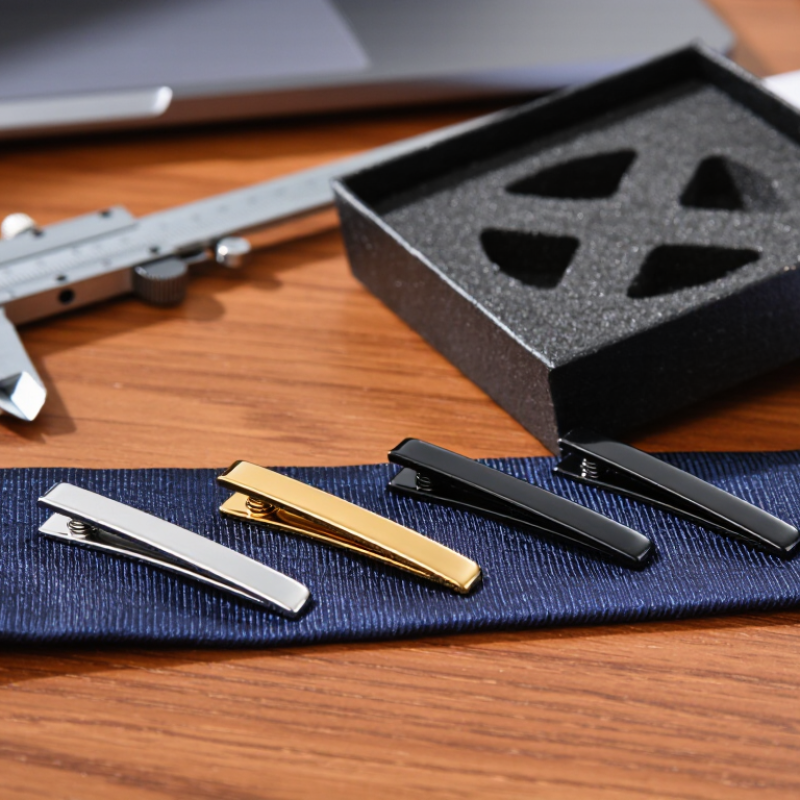
Tie bars are small accessories with a practical role. They secure a tie to a shirt and keep formal clothing neat. Their uses extend beyond office wear. Buyers may select them for uniforms, wedding parties, retail collections, corporate gifts, or hospitality teams. Metal finish, spring tension, width, and edge design affect both appearance and comfort. In humid regions, surface protection matters. In colder markets, thicker fabrics may require stronger clips. I learned this after an early sample slipped from a wool tie. The specification looked correct, but the test was too limited.
Tips: 1. Match bar width to tie width. 2. Check the clip’s grip on cotton, silk, and wool. 3. Request material details and coating information. 4. Inspect edges for sharp corners. 5. Test repeated opening and closing. 6. Compare polished, brushed, and colored finishes. 7. Confirm packaging protects surfaces during shipping. 8. Review size tolerance before mass production. 9. Ask for samples from different production batches. 10. Keep product photos and measurements consistent across listings. Small differences can create customer complaints.
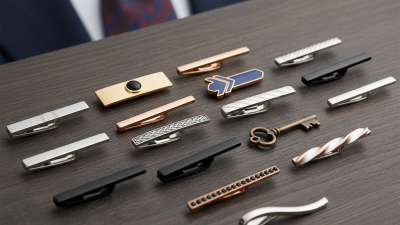
Global buyers should also consider application and presentation. A simple silver-tone bar may suit daily business clothing. A textured finish can support ceremonial or fashion-focused collections. Packaging should fit local retail habits and reduce unnecessary bulk. Request clear product records, including dimensions, weight, materials, and inspection results. Supplier communication can still fail, even with careful documents. A physical sample remains valuable. It reveals details that a spreadsheet cannot.

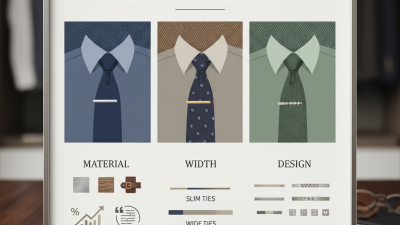
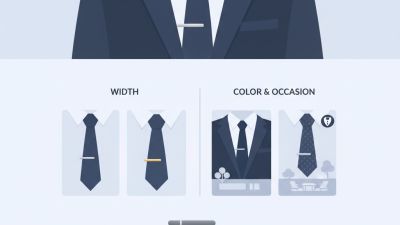
A tie bar should normally cover about two-thirds to three-quarters of the tie width. Use the guide below to compare common tie widths with suitable tie bar lengths before selecting products for different markets, dress codes, and shirt styles.
Material selection determines whether a tie bar feels refined or disappoints after repeated use. Stainless steel is a dependable option for global buyers because it resists tarnishing and supports precise stamping. The World Steel Association reported global crude steel production of about 1.89 billion tonnes in 2023, showing the scale and maturity of steel supply chains. However, steel grade matters. Ask for the exact grade, surface treatment, and corrosion-test method. “Stainless steel” alone is not enough.
Aluminium offers lower weight and a cooler hand feel. The International Aluminium Institute recorded approximately 70.6 million tonnes of primary aluminium production in 2023. It suits lightweight designs, but thin aluminium can bend near the hinge. Brass provides a warmer tone and stronger visual presence, although plating quality becomes critical. A polished sample can mislead. Inspect the underside, spring tension, hinge alignment, and edge smoothness under normal lighting.
Construction deserves equal attention. A practical tie bar should grip fabric without leaving sharp pressure marks. Check whether the spring returns evenly after repeated opening. Request abrasion and salt-spray results when plating is used; ASTM B117 can support controlled corrosion comparisons. Textile Exchange’s Materials Market Report 2024 also shows growing attention to recycled inputs, but recycled content should be verified through documentation, not marketing language. I would still test a small batch first. Sampling is slower, yet it exposes weak hinges before large-scale purchasing.
Buying tie bars across borders requires more than comparing prices. Confirm the bar diameter, overall length, thread length, and usable anchoring area. A small measurement error can prevent proper installation. Measure the connected components, not only the bar itself. Thread form, pitch, nut dimensions, and washer seating must match the surrounding hardware. Metric and imperial sizes can look similar but remain incompatible.
Tips: Request a technical drawing, tolerance range, material certificate, and sample before placing a large order. Check whether the stated length includes threaded sections. This detail is often unclear. Ask for clarification in writing.
Strength requirements depend on load direction, support spacing, connection design, and site conditions. Review tensile strength, yield strength, and elongation data with a qualified engineer. Do not rely on a general “heavy-duty” description. Corrosion protection also matters in coastal, wet, or chemically exposed environments. Compare coating thickness, surface condition, and expected maintenance needs. Compatibility includes installation tools, storage conditions, and local fabrication practices.
Tips: Test one assembled connection before mass purchasing. Inspect thread engagement, nut movement, alignment, and visible deformation. Keep inspection records with batch numbers and test results. I have seen buyers focus on strength while overlooking thread fit. That mistake can delay installation and increase replacement costs. Recheck every assumption.
Global buyers should treat tie bars as engineered components, not commodity rods. Start with ten checks: grade, diameter, length, rib geometry, straightness, coating, traceability, testing, packaging, and delivery control. ASTM A615/A706, EN 10080, or BS 4449 may apply, but the project specification decides.
Ask for mill certificates, heat numbers, tensile results, elongation, and bend-test records. Do not accept a generic certificate.
The World Steel Association reported 1.89 billion tonnes of crude steel production in 2023, showing scale but not supplier reliability. Large output can still hide inconsistent batches.
Evaluate the factory, not only its PDF. ISO 9001 certification supports documented controls, yet it does not prove every bar meets your specification.
The ISO Survey 2023 recorded more than 1.26 million ISO 9001 certificates worldwide. That figure signals broad adoption, not automatic product quality. Verify certificate scope, issuing body, expiry date, and audited manufacturing site.
Request an independent inspection plan for first production. Use accredited laboratories for chemical, tensile, dimensional, and coating tests.
Sample cartons randomly. Photograph labels and bundle condition before loading.
Quality becomes visible at the joint. Bars should match drawings, remain clean, and resist bending during placement.
For epoxy-coated products, inspect holidays, thickness, adhesion, and damaged ends. Ask how rejected bars are segregated and recorded.
Trace one bundle from heat number to test report and packing list. That exercise often exposes weak systems.
UNCTAD’s Review of Maritime Transport 2024 reported 2.4% maritime trade growth in 2023, while disruptions increased routing risks. Build buffer time into delivery plans.
One uncomfortable truth: the cheapest quote may reflect missing tests, not efficiency. Recheck assumptions after the first shipment.
10 Tie Bar Buying Tips for Global Buyers
When comparing tie bar costs, look beyond the quoted unit price. Check the metal grade, plating thickness, dimensions, packaging, and minimum order quantity. A low price may hide costly sample fees or weak protective packaging. Request a complete quotation with tooling, inspection, and document charges listed separately. Small details matter. Ask for clarity.
Shipping terms can change the real purchase cost. Compare EXW, FOB, CIF, and DDP offers carefully, because each term assigns different transport and risk responsibilities. Under EXW, the buyer may arrange pickup, export handling, and inland delivery. CIF can include ocean freight and insurance, but destination charges may remain unclear. Confirm the shipment’s port, delivery time, insurance coverage, and responsibility for damage. A freight quote is not always the final landed cost.
Import duties, taxes, customs clearance, and product classification usually require buyer attention unless the agreement states otherwise. Verify the required commercial invoice, packing list, origin information, and transport documents before production. In my purchasing reviews, unclear paperwork has caused more delays than production itself. I once underestimated destination handling fees, so my checklist was not flawless. Leave a cost buffer. Also confirm whether cartons need special labels or measurements for local entry. A pre-shipment inspection can reveal bent clips, uneven plating, or missing pieces before the goods leave the factory.