How to Choose the Right Mens Tie Clip for Any Outfit?
Choosing the right Mens Tie Clip is a small decision with a noticeable effect. It can steady a tie, sharpen a shirt front, and complete a business outfit without attracting unnecessary attention. Yet many men choose one by color alone. That approach often fails.
The State of Fashion 2025, published by The Business of Fashion and McKinsey, highlights continuing consumer interest in value, versatility, and longer-lasting wardrobe choices. A well-selected tie clip supports all three priorities. It can serve a navy suit, a gray blazer, or a tailored evening jacket when its finish and proportion remain restrained. Deloitte’s 2024 Global Human Capital Trends also discusses more flexible workplaces and changing expectations around professional presentation. Formal clothing is less uniform now. Your accessory must therefore adapt.
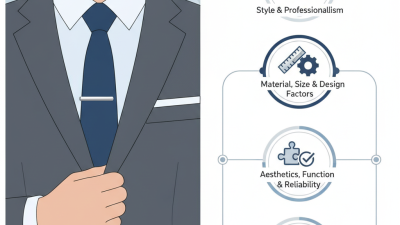
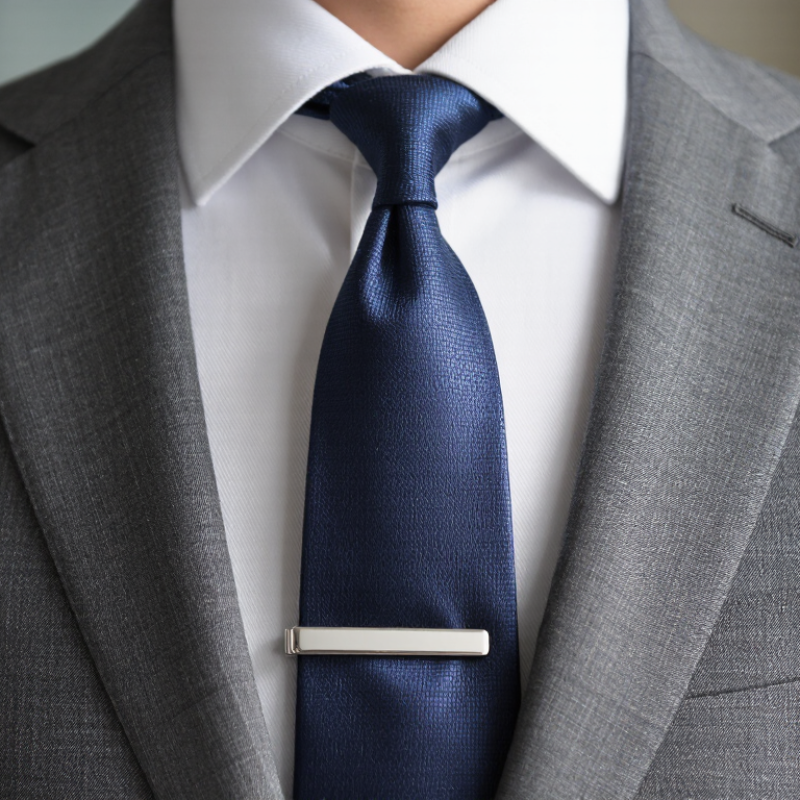
Start with scale. The clip should cover roughly half to three-quarters of the tie’s width. A narrow silk tie needs a lighter, shorter clip. A wool tie can support a broader design. Place it between the third and fourth shirt buttons. Keep it horizontal. Never angle it casually.
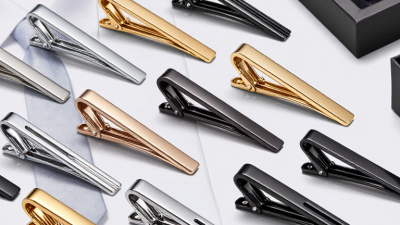
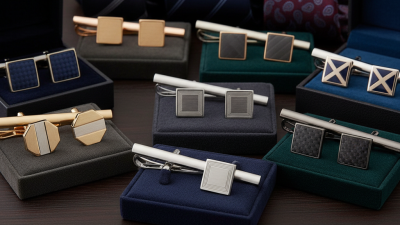
Details matter. Silver-toned metal suits cool shirts and charcoal tailoring. Gold or brass works naturally with cream, brown, and warm navy shades. Matte surfaces appear quieter under office lighting. Polished finishes reflect more attention during ceremonies or evening events.
There is no perfect rule. I would question any guide that promises one universal clip. Personal contrast, tie texture, and workplace culture can change the result. The best Mens Tie Clip looks intentional, feels secure, and disappears into the outfit until someone notices the balance.
Understanding the Purpose and Function of a Men’s Tie Clip
How to Choose the Right Mens Tie Clip for Any Outfit?
Understanding the Purpose and Function of a Men’s Tie Clip
A men’s tie clip has one practical job: keeping the tie attached to the shirt. It prevents swinging, twisting, and dipping into a lunch plate. The clip should grip both the tie and the shirt placket. Clipping only the tie looks tidy, but it does not provide real stability.
Place the clip between the third and fourth shirt buttons. This position usually balances function and visibility. Choose a clip about half to three-quarters of the tie’s width. A narrow clip suits a slim tie, while a wider clip supports heavier fabric. Keep it horizontal. A tilted clip can make a carefully planned outfit look accidental. I have sometimes placed mine too high, especially with a short tie. It looked neat in a mirror, but awkward while sitting. Movement matters.
Tips: Match the clip’s finish with other metal details, such as a watch or belt buckle. Use a simple, polished style for interviews and formal meetings. A textured or matte finish can feel more relaxed with a knitted tie or open jacket. Test the spring tension gently. Too much pressure may crease delicate silk. Too little pressure may release during movement. Avoid overmatching every accessory; a small difference can look more natural. Most importantly, wear the clip where it works, not only where it photographs well.
Matching Tie Clip Styles with Different Outfit Formality Levels
How to Choose the Right Mens Tie Clip for Any Outfit?
Matching a tie clip to formality starts with proportion, not decoration.
For business suits, choose a slim silver or gunmetal clip. Keep it slightly narrower than the tie.
A 2024 McKinsey and Business of Fashion report highlights stronger demand for versatile, value-focused clothing.
That principle works well here. One restrained clip can serve several wardrobes.
For formal weddings or evening events, polished metal looks sharper than brushed finishes. A simple bar clip suits a tuxedo-inspired outfit, but avoid wearing it too high. Position it between the third and fourth shirt buttons.
For business-casual clothing, textured finishes add interest without looking careless. Matte steel works with an Oxford shirt, knit tie, and tailored chinos.
The GlobalData 2024 apparel consumer research also identifies comfort and versatility as important buying factors.
A flexible clip should not feel like a separate costume piece.
Casual outfits need restraint.
With denim or an open collar, a tie clip may feel forced. I have made that mistake.
If you still wear one, choose a narrow clip and a soft-colored tie. Match its metal with your watch or belt buckle when possible.
This is not an absolute rule. Contrast can look intentional, but random shine usually looks accidental.
Check the clip in natural light before leaving. Some polished surfaces appear elegant indoors, then overly bright outside.
Choosing the Right Tie Clip Size, Shape, and Material
A tie clip should hold the tie neatly without pulling the fabric. For most standard ties, choose a clip measuring about half to two-thirds of the tie’s width. A narrow clip suits slim ties, while a wider clip looks balanced on traditional ties. If the clip reaches past both edges, it may appear oversized and awkward. I once wore a clip that was too short; it slipped during a long meeting.
Shape also affects the outfit’s character. A straight bar creates a clean, modern line and works well with business clothing. A gently curved or textured design can add personality to a less formal jacket. Avoid heavy decorative shapes when the tie already has bold stripes or bright patterns. The clip should support the outfit, not compete with it.
Material matters for both appearance and daily use. Stainless steel offers durability and a crisp finish, while brushed metal looks quieter under office lighting. Silver-toned clips usually suit cool colors, and warmer metal tones pair naturally with brown, beige, or burgundy details. For formal events, keep the surface polished and simple. For casual tailoring, a matte finish can feel more relaxed. Check the clasp before buying. A beautiful clip is still disappointing if it loosens after a few hours.
Wearing and Positioning a Tie Clip Correctly for Any Occasion
How to Choose the Right Men’s Tie Clip for Any Outfit?
A tie clip should hold your tie neatly without flattening the fabric. In my fitting experience, the best position is between the third and fourth shirt buttons. Attach it horizontally across both the tie and the shirt placket. Clipping only the tie is a common mistake. It will not stop the tie from swinging.
Choose a clip about half to two-thirds the width of your tie. A narrow clip suits slim ties, while a wider clip works better with traditional fabrics. Keep the clip parallel to the floor. It should feel secure, not painfully tight.
For business clothing, use a simple metal finish with limited decoration. At weddings or evening events, a polished finish can add quiet detail. Casual outfits allow more texture, but avoid letting the accessory become the main attraction.
Tips
Check the clip in a mirror while standing and sitting. The angle can change when you move. Keep it around the lower chest, not near your collar. Match its finish with your other metal details when possible. Silver tones suit cool colors, while warmer finishes often complement brown or beige clothing. I sometimes place mine slightly too low at first. A second mirror check usually catches it. The perfect position may depend on your torso length, tie thickness, and shirt fit.