Leave Your Message
Global buyers entering 2026 are looking beyond decoration. They want Cuff Links that feel personal, durable, and commercially relevant. Robert Tateossian, founder of the luxury accessories brand Tateossian, once described cufflinks as “the final punctuation mark of a man’s outfit.” This image remains useful for buyers. A small pair can complete a formal shirt, strengthen a gift collection, or distinguish a premium uniform. Yet the market is changing. Buyers now examine plating quality, clasp security, material transparency, and packaging waste. Appearance alone is not enough.
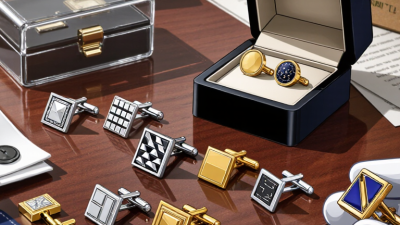
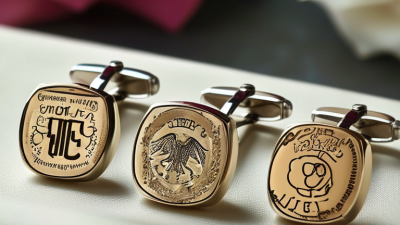
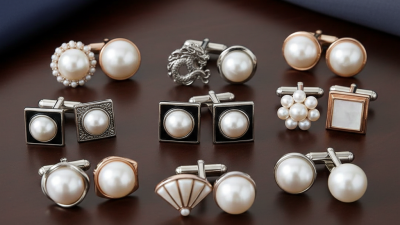
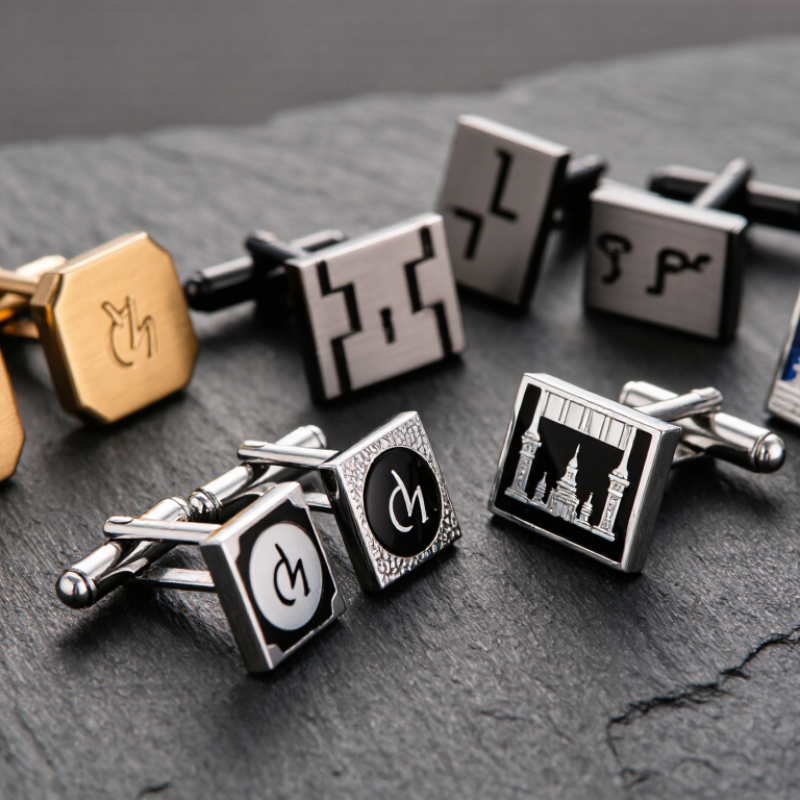
The strongest 2026 trends will likely combine quiet luxury with visible individuality. Brushed gold, gunmetal, recycled silver, and two-tone finishes may appeal to different retail segments. Personalised initials, miniature symbols, and interchangeable faces can support gifting without creating excessive inventory. Some buyers will prefer geometric shapes, while others will choose enamel details inspired by travel, architecture, or regional craft. Subtle branding may outperform oversized logos. That is not guaranteed.
Digital wholesale purchasing will also influence product selection. Clear dimensions, macro photography, weight information, and reliable colour references can reduce costly misunderstandings. Buyers should request finish samples before placing large orders. Small differences matter. A clasp that feels loose in the hand can damage customer trust quickly. Sustainability claims require evidence, not attractive wording. Suppliers should provide practical material documentation and consistent quality records. Forecasting remains imperfect, because fashion can shift faster than production cycles. The most responsible buyers will balance trend awareness with timeless design, realistic margins, and careful testing.
What defines the top cufflink trends of 2026 is not decoration alone. Buyers increasingly expect useful design, traceable materials, and flexible styling. Grand View Research valued the global jewelry market at approximately USD 353.26 billion in 2023, with an estimated 8.5% annual growth from 2024 to 2030. Cufflinks sit within this wider movement toward personal accessories with lasting value.
Small details matter. Recycled silver, responsibly sourced metals, and clear material documentation strengthen buyer confidence. The Responsible Jewellery Council also emphasizes supply-chain due diligence and responsible business practices across jewelry production. For global buyers, this makes origin records, plating specifications, and durability tests commercially important. A polished surface is not enough.
Function leads the visual trend.
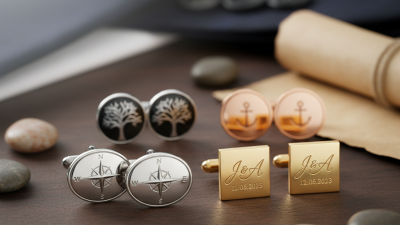
The strongest 2026 designs will likely use slimmer profiles, interchangeable backs, and restrained geometric shapes. Matte black, brushed steel, warm gold tones, and deep blue can move between formal shirts and modern workwear. Personalization is also becoming more practical: discreet initials, short dates, or subtle texture can create meaning without excessive ornament. McKinsey and the Business of Fashion have identified personalization and value-conscious purchasing as major fashion priorities, supporting this direction. Still, one caution remains. Buyers may overestimate novelty. A dramatic shape can photograph well but feel uncomfortable after six hours. Hands-on wear testing, consistent clasp performance, and honest product photography should define serious purchasing decisions in 2026.
Global buyer trend outlook for 2026
| Trend Area | 2026 Buyer Direction | Typical Product Specification | Primary Purchase Driver | Most Relevant Buyer Segments | Forecast Confidence |
|---|---|---|---|---|---|
| Refined Minimalism | Clean rectangular, oval, and round silhouettes are expected to remain core volume styles. | Slim profile; approximately 14–18 mm face width; polished or satin surface. | High versatility across business, formalwear, and gifting occasions. | Department stores, uniform suppliers, corporate gift buyers, and online retailers. | High |
| Mixed-Metal Contrast | Two-tone combinations are gaining importance as buyers seek compatibility with both warm- and cool-tone accessories. | Silver-tone base combined with a gold-tone detail, edge, inlay, or mechanism. | Improved wardrobe matching and broader gift appeal. | Fashion retailers, wedding retailers, gift distributors, and premium accessories buyers. | High |
| Brushed and Satin Finishes | Low-glare textures are expected to complement, rather than replace, high-polish options. | Directional brushing, satin plating, or fine matte texture with controlled reflectivity. | A more understated appearance and improved suitability for daily office wear. | Contemporary menswear retailers and buyers targeting professional customers. | High |
| Personalized Details | Initials, dates, symbols, and short messages are expected to support higher-margin gifting programs. | Laser engraving or discreet monogram area; commonly 2–4 characters for compact designs. | Emotional value, occasion-based purchasing, and product differentiation. | Wedding retailers, personalized-gift sellers, e-commerce merchants, and event buyers. | High |
| Sustainable Material Disclosure | Buyers are expected to request clearer information about recycled content, plating, packaging, and product durability. | Material declaration, plating details, care instructions, and recyclable or reduced packaging options. | Traceability, compliance communication, and reduced environmental claims risk. | Importers, department stores, procurement teams, and sustainability-focused retailers. | High |
| Durable Plating and Finish Testing | Longer-lasting surface performance is becoming a stronger selection criterion for repeat-order programs. | Documented plating process, adhesion checks, abrasion evaluation, and resistance to discoloration. | Lower complaint rates, better customer reviews, and improved reorder reliability. | Large-volume importers, private-label buyers, uniform suppliers, and marketplaces. | High |
| Color Accents | Deep blue, forest green, burgundy, black, and translucent enamel details are expected to add controlled color. | Small enamel, glass, stone, or resin inlay used as an accent rather than a full-face treatment. | Seasonal freshness while retaining a formal and wearable appearance. | Fashion-led retailers, younger professional shoppers, and occasionwear buyers. | Medium–High |
| Compact and Lightweight Construction | Comfort and reduced visual bulk are expected to influence designs for frequent wear. | Low-profile face, secure swivel bar, smooth edges, and balanced weight distribution. | All-day comfort and easier pairing with slim-cut shirts. | Officewear retailers, travel-oriented buyers, and minimalist accessory collections. | High |
| Gift-Ready Presentation | Premium-looking packaging with compact dimensions is expected to support gifting and cross-border fulfillment. | Protective insert, fabric pouch or rigid box, care card, barcode space, and multilingual labeling capability. | Better shelf presentation, lower transit damage, and convenient seasonal gifting. | Gift distributors, department stores, online sellers, and holiday-season buyers. | Medium–High |