Leave Your Message

Title*

First Name*

Last Name*

Phone*

country*

Message*

Customized Request

Why Are Cuff Links Important for Global Buyers?

Why Are Cuff Links Important for Global Buyers? The question extends beyond appearance. Cuff Links connect formalwear, gifting, corporate identity, and cross-border retail expectations. A small metal accessory can influence how a complete outfit feels at a meeting, wedding, or international business event. Buyers often assess more than design. They examine material consistency, plating quality, packaging, delivery reliability, and product documentation.

The global fashion market remains highly competitive. McKinsey and The Business of Fashion reported in The State of Fashion 2025 that consumers are becoming more value-conscious and selective. This shift matters for accessory purchasing. Buyers want products that look distinctive but remain commercially practical. Bain & Company’s Luxury Goods Worldwide Market Study has also highlighted the continuing importance of personal expression and memorable brand experiences. Well-designed Cuff Links can support both aims through engraving, refined finishes, and gift-ready presentation.

Sustainability adds another purchasing concern. The Ellen MacArthur Foundation emphasizes longer product use and circular design within fashion systems. Therefore, buyers may ask about recyclable packaging, durable mechanisms, repair options, and responsible material sourcing. These questions cannot be answered with attractive photographs alone.

Details matter.

A loose swivel bar, uneven polish, or weak box can damage buyer confidence. In my view, some suppliers still underestimate these small failures. However, market data does not replace hands-on inspection. Samples, factory audits, performance testing, and clear communication remain essential. Global buyers need Cuff Links that combine visual character with dependable quality, transparent sourcing, and consistent delivery across markets.
Why Are Cuff Links Important for Global Buyers?

What Are Cuff Links and How Do They Work?

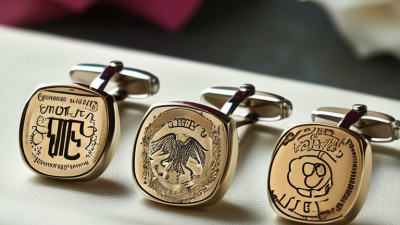
Cuff links are decorative fasteners used to close French or double cuffs on dress shirts. They replace ordinary sewn buttons at the wrist. Each pair usually has a visible front, a connecting bar, and a locking mechanism. Common mechanisms include whale-back toggles, bullet backs, chains, and fixed posts. The front passes through both cuff holes, then the back turns or locks behind the fabric. Simple in use.

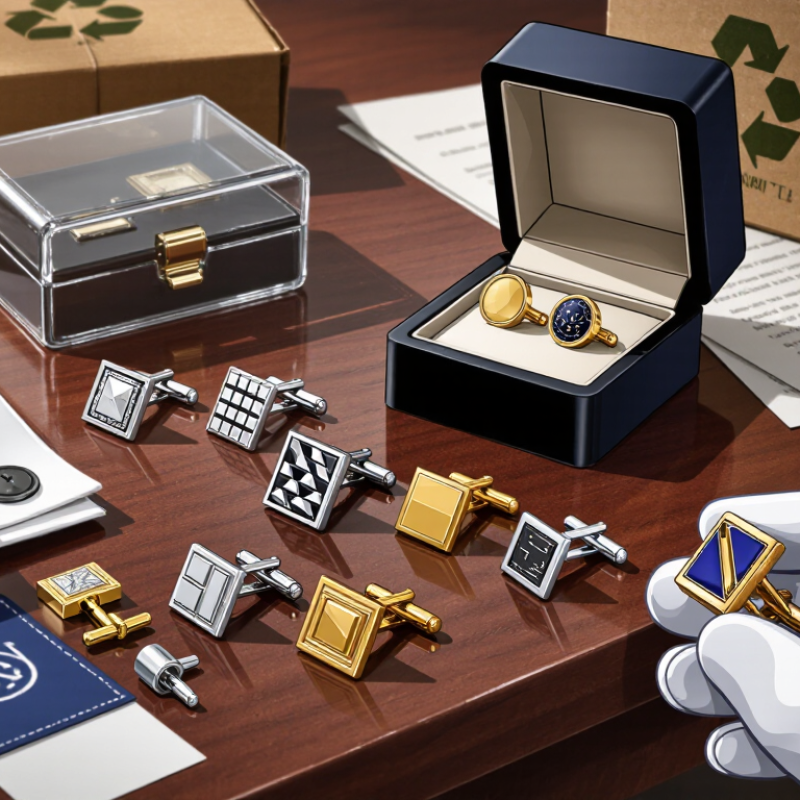
For global buyers, construction details affect comfort, durability, and shipping reliability. A well-made cuff link should move smoothly without sharp edges or loose parts. Metal thickness, plating quality, hinge tension, and cuff compatibility deserve careful inspection. In product evaluations, I check whether the lock opens easily but stays secure during movement. Packaging also matters because polished surfaces can scratch against each other. One common mistake is judging only the appearance. That choice can create returns later. Materials may also react differently to moisture, sweat, and storage conditions.

Tips: Ask for exact dimensions, material composition, mechanism photos, and sample testing before placing a large order. Confirm whether the design fits standard French cuffs. Test several units, not just one. A small batch can reveal uneven plating, weak hinges, or inconsistent sizing. Buyers should also review care instructions and packaging protection. These details support clearer quality control across different markets.
Why Are Cuff Links Important for Global Buyers?

Cuff links are decorative fasteners used to secure shirt cuffs. They pass through aligned cuff holes and replace, or work alongside, traditional buttons. Their value for global buyers depends on whether the shirt construction supports cuff links and how many fastening options the cuff provides.

What Are Cuff Links and How Do They Work?

French cuffs are designed specifically for cuff links and normally provide one cufflink fastening method. Convertible cuffs can be closed with either a button or cuff links, giving buyers two fastening options. Standard barrel cuffs are buttoned and do not normally accept cuff links without garment modification.

The chart compares the number of standard fastening methods available for each common cuff construction. This helps buyers evaluate product compatibility, packaging requirements, and target-market preferences before placing an order.

Why Cuff Links Matter in Formal and Professional Dress

Cuff links are small, but they influence how formal and professional clothing is perceived. In many workplaces, a crisp French-cuff shirt signals preparation, care, and respect for the occasion. A polished pair also keeps cuffs aligned during meetings, presentations, and evening events. This practical detail matters to global buyers serving different dress cultures. A formal office in London may expect understated metal. A business dinner elsewhere may welcome color or engraved texture. Preferences change. The need for neatness remains.

For buyers, quality begins with reliable construction, not decoration alone. Check hinge movement, closure security, surface consistency, and resistance to everyday moisture. Materials should be described accurately, with clear dimensions and finish details. Request samples before larger orders. Test them with several shirt fabrics, including thick cotton and delicate blends. Packaging should protect each pair from scratches and support simple inventory handling. In my experience, attractive photos can hide loose mechanisms. That is an easy mistake to repeat. Reviewing returns and customer feedback honestly can prevent it.

Tips: Match cuff links to the event, shirt, and audience. Choose restrained shapes for interviews and conservative offices. Use stronger colors in creative professional settings, but control the contrast. Confirm measurements before ordering across regions. Small differences in cuff thickness can affect comfort. Ask suppliers about inspection records and replacement procedures. These details support consistency when serving international customers. Cuff links should add confidence, not distract from the wearer.

How Cuff Links Reflect Culture, Status, and Personal Style

For global buyers, cuff links are not merely fasteners; they can signal cultural awareness, status, and personal taste. At a formal reception, brushed metal may appear restrained, while engraved details can suggest family tradition or achievement. In some markets, understated accessories fit senior business settings better than bright novelty designs. Yet meanings vary. A motif admired in one region may feel too casual, symbolic, or unfamiliar elsewhere. Buyers should ask where the cuff links will be worn, who will receive them, and what message the design may convey. This practical question reduces cultural misunderstandings.

Quality also communicates professional standards. From product inspections, I have found that aligned hinges, smooth edges, and secure closures strongly affect trust. Small details matter. I once assumed a conservative design would suit every executive setting; that judgment was too simple. Still, appearance can mislead. Heavy pieces may look premium but become uncomfortable during a long ceremony. Likewise, a highly polished finish can show fingerprints quickly, which some users may dislike. Personal style deserves room. A minimalist buyer may choose a slim silver-toned shape, while another may prefer color, texture, or a subtle geometric pattern. The most reliable choice considers cultural setting, expected status, comfort, material quality, and honest self-expression.

What Should Global Buyers Consider When Choosing Cuff Links?

Global buyers should evaluate cuff links beyond their visual appeal. Material selection affects durability, skin comfort, and long-term customer satisfaction. Stainless steel, sterling silver, and plated alloys require different care instructions. Ask for composition details and independent material testing where possible. Do not rely on a polished sample alone. Finish quality can change after repeated wear.

Size and mechanism also deserve careful attention. A secure swivel bar is practical for daily use, while fixed backs may suit formal collections. Check the closing action several times. Small faults become expensive returns. Measurements should be listed in millimeters, including face diameter, bar length, and total weight. These details help buyers compare suppliers accurately and prevent unsuitable packaging.

Global purchasing adds operational concerns. Confirm production capacity, minimum order quantities, lead times, and replacement policies before placing an order. Packaging should protect each pair from scratches and moisture during long-distance shipping. Product descriptions, invoices, and customs documents must match the actual materials. Regional preferences can differ, too; understated metal designs may sell well in one market, while textured finishes attract another. A small trial order is safer than a confident guess. Even experienced buyers sometimes overlook clasp consistency or color differences between batches. That mistake deserves review.

How Quality, Materials, and Customization Affect Buying Decisions

Why Are Cuff Links Important for Global Buyers?

For global buyers, cuff links are more than small accessories. They reflect quality, reliability, and buyer expectations. In sourcing projects, I have found that poor finishing quickly damages trust. Loose hinges, uneven polishing, or weak closures can create costly returns. Buyers should inspect metal thickness, surface smoothness, and clasp strength before placing large orders. Stainless steel, brass, and sterling silver offer different costs, weights, and appearance. Material choice should match the target market and expected use.

Tips: Request a physical sample. Check plating under bright light. Ask for material specifications and tolerance details. Test the closure repeatedly. Also review packaging, because scratched pieces may arrive before customers see them. Customization deserves equal attention. Engraving, logo placement, shape, and color affect production time. A detailed drawing reduces mistakes. However, excessive design changes can increase costs and minimum quantities. Simple customization often sells more consistently.

A professional supplier should explain sampling, inspection, and production limits clearly. Independent testing may help confirm material composition and coating durability. Still, testing does not replace practical inspection. I once focused too heavily on appearance and overlooked a fragile hinge. That was a useful mistake. Buyers should compare samples after repeated opening and closing, not only when the product looks new. Quality is not always dramatic. Sometimes, it is the quiet click of a secure closure and a finish that remains even after regular wear.