Leave Your Message

Title*

First Name*

Last Name*

Phone*

country*

Message*

Customized Request

Why Choose a Cufflink Box for Wholesale Packaging?

Choosing a Cufflink Box for wholesale packaging involves more than adding a polished outer layer. It protects small accessories during storage, shipping, and retail display. In my experience, buyers notice packaging before examining the cufflinks closely. A sturdy box creates a controlled first impression. It also reduces movement, scratches, and misplaced pairs inside larger cartons.

Wholesale packaging must balance appearance, function, and cost. Rigid paperboard, velvet interiors, foam inserts, and molded trays offer different advantages. Each option suits a different product range. A lightweight box may reduce freight expenses. However, it might feel less premium in a luxury showroom. That trade-off deserves careful testing. Packaging is rarely perfect.

A reliable Cufflink Box should match the cufflink shape and expected handling conditions. Check the hinge, closure, insert fit, and surface finish before approving bulk production. Test several samples, not just one. Small defects can become expensive across thousands of units. Branding also matters. A clean logo, consistent color, and readable product information support professional presentation without overwhelming the design.

Suppliers should provide clear material details, production samples, and realistic lead times. Responsible buyers should ask about recyclable components and responsible sourcing. These choices strengthen brand credibility. They also help retailers present a more thoughtful product story. Still, not every design works for every market. Some customers prefer minimal packaging, while others expect a gift-ready experience. The best wholesale solution is practical, attractive, and tested against real business needs.
Why Choose a Cufflink Box for Wholesale Packaging?

Cufflink Boxes: Definition and Role in Wholesale Packaging

Why Choose a Cufflink Box for Wholesale Packaging?

Cufflink Boxes: Definition and Role in Wholesale Packaging

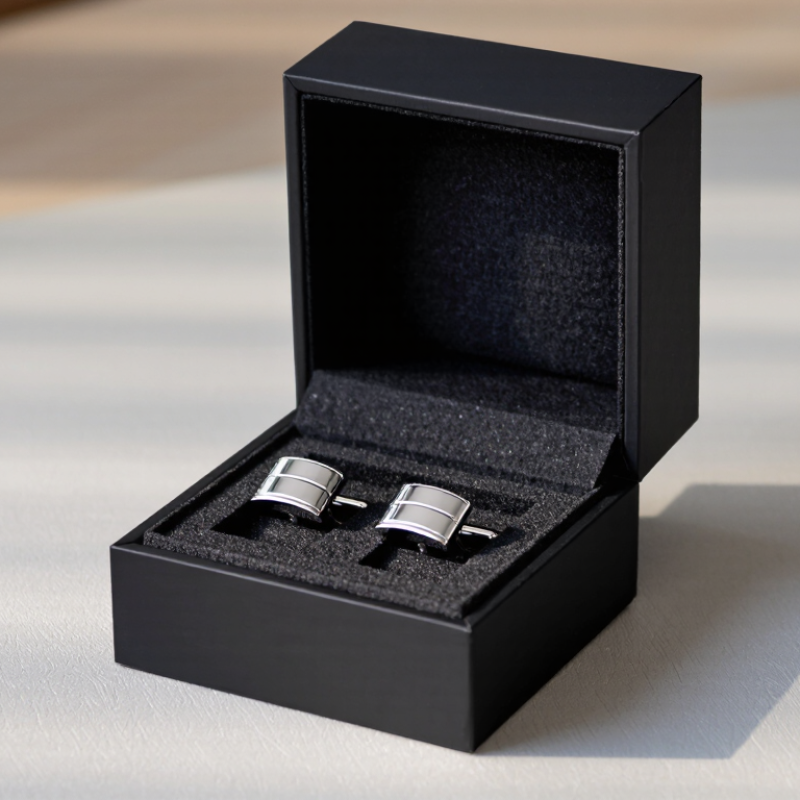
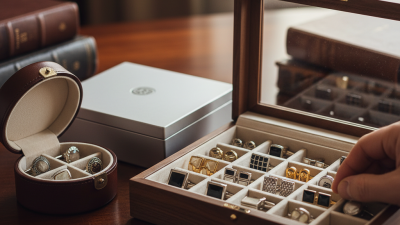
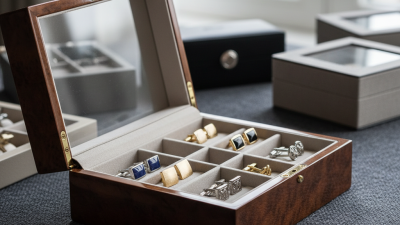
A cufflink box is a small container designed to hold, protect, and present cufflinks. It usually includes a fitted insert that prevents movement during handling. Common materials include rigid paperboard, molded foam, velvet, and recycled fiber. The right structure depends on product weight, finish, and shipping distance. A secure lid matters. So does a clean interior.

For wholesale packaging, cufflink boxes support protection and consistent presentation across large orders. They reduce scratches, dust exposure, and loose movement inside outer cartons. Standardized box sizes also simplify storage, packing, and inventory counting. A 9-centimeter box may suit one design, while larger pieces need deeper inserts. Small size differences can create unexpected pressure.

Appearance affects perceived value. Smooth paper, precise corners, and a balanced hinge can make a practical package feel more refined. However, decoration should not weaken the box. Foil details may crease, and soft inserts can shed fibers. These issues are easy to overlook during design reviews. Testing several samples is wiser than trusting a digital drawing.

Wholesale buyers should check compression strength, insert alignment, lid fit, and moisture resistance. They should also inspect random cartons before approving production. A box can pass a visual check yet fail after repeated handling. Packaging teams sometimes focus too much on appearance. That is a useful mistake to examine. Reliable cufflink packaging protects the product while keeping packing operations steady and repeatable.
Key Benefits of Cufflink Boxes for Wholesale Businesses

Why Choose a Cufflink Box for Wholesale Packaging?

Cufflink boxes give wholesale businesses a practical balance of protection, presentation, and cost control. A fitted insert keeps each pair steady during storage and delivery. It also reduces scratches, loose movement, and damaged corners. Standard box sizes simplify packing stations and improve inventory planning. Small details matter here. A clean opening experience can support repeat orders from retailers.

Packaging also influences buying decisions. McKinsey’s 2023 sustainability research reports that 60% to 70% of consumers may pay more for sustainable packaging. Meanwhile, the OECD’s Global Plastics Outlook identifies packaging as the largest generator of plastic waste. These findings make material choices important. Recyclable paperboard, limited foam, and right-sized cartons can reduce unnecessary volume. However, “eco-friendly” claims need evidence. A box can look green and still waste materials.

Tips: Choose an insert that fits tightly, but not aggressively. Test stacking, moisture exposure, and repeated opening before ordering thousands. Ask suppliers for material specifications and recycled-content data. Review the design after real shipping trials. A beautiful box may still fail if the lid loosens in transit. Wholesale packaging is rarely perfect on the first attempt.

Materials, Designs, and Customization Options

A cufflink box does more than protect small accessories during wholesale handling. It creates a consistent presentation across retail shelves, gift orders, and shipment cartons. In practical packaging tests, rigid paperboard offers a strong balance between cost, weight, and surface quality. Recycled board can support sustainability goals, but its texture may limit fine printing. Plastic trays resist moisture, although they often feel less premium. Wood provides warmth and durability, but it increases weight and shipping costs.

Design details affect both appearance and daily use. A hinged lid gives the box a traditional feel and keeps the pair secure. A sliding drawer creates a refined opening experience, especially with a fabric pull tab. Foam inserts prevent movement, while molded paper inserts offer a more recyclable option. Velvet feels luxurious. It can also collect dust easily. The right interior depends on cufflink size, finish, and expected handling conditions.

Customization allows wholesalers to match packaging with product positioning. Options include logo printing, foil accents, embossing, sleeve cards, color matching, and custom insert shapes. For larger orders, suppliers should confirm dielines, print tolerances, and closure strength before production. A sample may look excellent but reveal weak corners after repeated opening. That matters. Testing stacking pressure, surface scuffing, and insert fit improves reliability. I would not choose decoration before confirming protection, because attractive packaging cannot repair damaged merchandise. Small details, such as rounded corners or a cotton-lined cavity, can make the box feel carefully engineered rather than merely decorated.

How Cufflink Boxes Improve Product Protection and Presentation

Why Choose a Cufflink Box for Wholesale Packaging?

A cufflink box protects small metal accessories from scratches, dust, and compression during storage. Its fitted insert limits movement inside the carton. That detail matters. Loose cufflinks can collide, tarnish, or disappear into packing materials. A rigid box also creates a cleaner unboxing experience, especially when buyers inspect products in retail settings.

Professional packaging research supports this focus on presentation. McKinsey’s 2023 sustainable packaging report found that 60–70% of surveyed consumers would pay more for sustainable packaging in selected markets. Paper-based cufflink boxes can support that preference when they use recycled board and avoid unnecessary plastic. Two Sides’ 2023 Trend Tracker also reported that 82% of consumers viewed paper and cardboard packaging as more environmentally friendly than other materials. The figures are persuasive, but material claims still require evidence.

Wholesale buyers should measure the insert, lid clearance, and carton strength before placing large orders. A box that looks elegant may still fail under stacking pressure. Small details matter. In practical packing tests, I would check corner crushing, surface rubbing, and moisture exposure. An oversized box wastes storage space and material, while an overly tight fit can damage delicate finishes. This is where packaging decisions need reflection: attractive presentation helps, but protection must remain the first measurable result.

Why Choose a Cufflink Box for Wholesale Packaging? - How Cufflink Boxes Improve Product Protection and Presentation

Typical packaging considerations for wholesale cufflink presentation and protection.
Evaluation Dimension Typical Cufflink Box Specification Protection or Presentation Benefit Wholesale Value
Outer structure Rigid paperboard construction, commonly combined with a wrapped paper, coated paper, or textile finish Creates a stable enclosure that helps reduce crushing and surface abrasion during handling Provides a more premium unboxing experience than a loose pouch or basic paper sleeve
Internal insert Fitted foam, flocked board, molded pulp, or die-cut paper insert with dedicated cufflink slots Limits movement inside the box and helps keep pairs aligned during transport Improves order consistency and reduces time needed for product arrangement at retail or fulfillment points
Cushioning level Soft lining or insert surfaces positioned between the metal accessory and the box walls Helps protect polished surfaces from direct contact with hard packaging materials Supports a lower risk of cosmetic damage, returns, and repacking work
Product positioning Individual recesses or slots sized for the cufflink pair and, where required, a small accessory compartment Prevents loose items from rubbing together and keeps the set visually organized Makes product inspection, shelf display, and gift presentation faster and more consistent
Closure system Lid-and-base, hinged-lid, magnetic, ribbon-tie, or friction-fit closure Helps keep the packaging closed and the contents contained during storage and shipment Allows packaging to be matched to different price points, sales channels, and gift occasions
Surface finish Matte, gloss, textured, embossed, foil-stamped, or printed paper covering Adds visual definition and can improve resistance to minor scuffs on the outer covering Supports premium positioning without changing the basic box structure
Size efficiency Compact internal cavity designed around the cufflink dimensions and insert thickness Reduces unnecessary empty space and limits product movement inside the package Can improve carton utilization and simplify storage compared with oversized presentation boxes
Material options Paperboard, recycled board, FSC-certified paper-based components where available, foam, flocked paper, or molded pulp Enables different balances of rigidity, cushioning, appearance, and material preference Gives wholesalers flexibility to specify packaging for value, premium, or sustainability-focused ranges
Branding area Flat lid, sleeve, insert card, or internal panel suitable for printed graphics and product information Makes care instructions, material details, and product messaging easier to present Creates a consistent retail appearance across multiple cufflink designs
Retail readiness Pre-arranged product presentation with a finished outer surface and secure closure Allows the product to move from receiving to display with fewer additional packing steps Can reduce handling time and improve presentation consistency across wholesale orders
Quality control points Check box squareness, lid fit, insert alignment, surface defects, print accuracy, and closure function Identifies packaging defects that could affect product protection or customer perception Creates measurable inspection criteria for repeat wholesale production

Factors to Consider When Selecting a Wholesale Cufflink Box Supplier

Why Choose a Cufflink Box for Wholesale Packaging?

A cufflink box gives small accessories a clear, premium presentation. It protects polished surfaces from scratches, dust, and movement during shipping. In wholesale purchasing, the supplier matters as much as the box design. A reliable supplier should provide stable materials, accurate dimensions, and consistent production. Ask for samples before placing a large order. The lid should close smoothly, while the inner insert must hold cufflinks firmly without pressing them. Small defects become expensive when multiplied across thousands of units.

Material selection also deserves careful attention. Rigid paperboard offers a refined appearance, while wood or recycled options create a different customer experience. Request details about thickness, surface coatings, adhesives, and packaging safety. A professional supplier should explain minimum order quantities, production schedules, replacement policies, and quality inspections. Confirm whether colors remain consistent between batches. This point is often overlooked. I have seen attractive samples lose their value when later shipments showed uneven printing or loose inserts. Supplier communication can also fail, especially when specifications remain verbal.

Tips: Compare at least three suppliers. Measure your cufflinks first. Request a pre-production sample. Check every edge, hinge, and insert. Keep written specifications.

Consider customization carefully. A logo, magnetic closure, or velvet lining may improve presentation, but each addition affects cost and lead time. Ask for a transparent quotation with tooling, shipping, and sampling fees included. A thoughtful supplier will identify design risks instead of promising everything immediately. That honesty is useful. It may also reveal limitations you had not considered.