What is a Tie Bar and How to Choose the Right One?
A Tie Bar is an essential accessory that adds sophistication to any outfit. It not only holds a tie in place but also serves as a statement piece. Choosing the right Tie Bar can enhance your overall appearance and style.
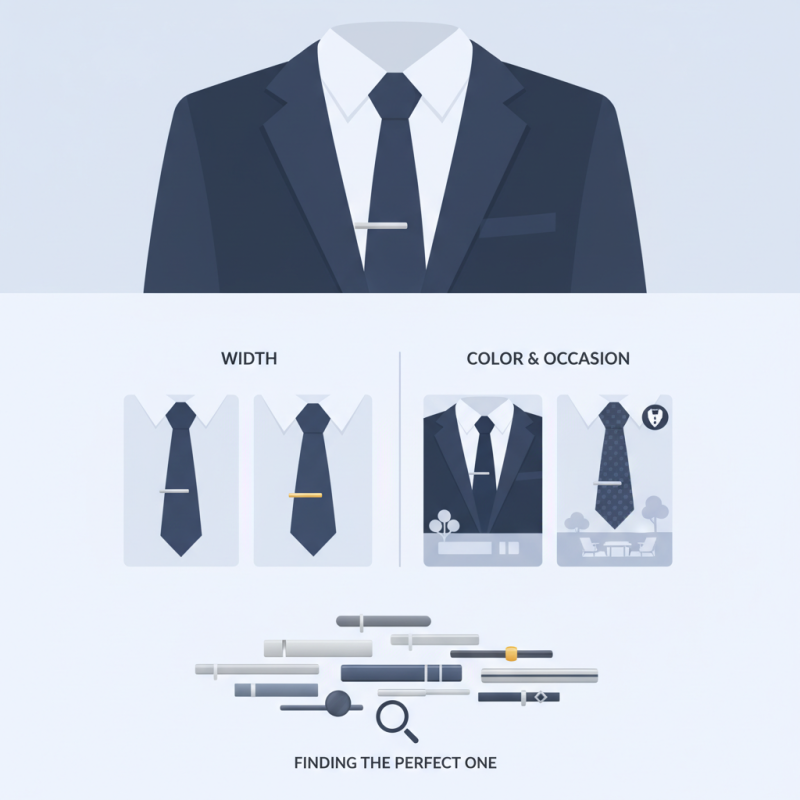
When selecting a Tie Bar, consider the width and color. It should match your tie's design and your suit. A narrow bar may suit a slimmer tie, while a wider bar pairs well with a broader tie. Pay attention to the occasion, too. A formal event may call for a classic silver or gold Tie Bar, while a casual setting allows for more creativity in design.
Finding the perfect Tie Bar can be challenging. Many people overlook its importance, viewing it as just an accessory. The right choice can elevate your look and express your individuality. Reflect on your style and what you want to convey. A well-chosen Tie Bar can make a difference. Embrace the small details; they matter in fashion.
What is a Tie Bar? Definition and Purpose Explained
A tie bar is a small accessory that serves a significant purpose. It is designed to hold a tie in place, preventing it from swaying or getting tangled. Typically worn between the third and fourth buttons of a dress shirt, the tie bar adds style and sophistication to an outfit. Many people overlook this accessory, which can elevate their formal appearance.
Choosing the right tie bar involves several considerations. Length is crucial; it should be about the width of the tie. A too-short tie bar looks awkward, while an overly long one can stick out. Material matters as well—metallic finishes often pair well with formal attire, while wooden or fabric tie bars may suit more casual outfits. The choice of color should also complement both the tie and the shirt.
Not everyone chooses tie bars wisely. Some opt for flashy designs, but they can clash with simpler attire. Others may forget to adjust the position, making it less effective. Reflecting on these details can lead to a more polished look. A well-chosen tie bar is not just functional; it’s also a subtle statement of personal style.
Types of Tie Bars: Styles and Materials Available
Tie bars come in various styles and materials, making it essential to choose the right one. Metal tie bars, for instance, are popular for their durability. Stainless steel offers a sleek look, while brass has a warm, vintage appeal. Some prefer cufflink-style tie bars, adding a unique touch to their outfit.
On the other hand, fabric tie bars can be seen in more casual settings. These might include silk or woven designs, ideal for relaxed occasions. While fabric options can be eye-catching, they may lack the sturdiness of metal. It's a balance of style and functionality that needs reflection when making a choice.
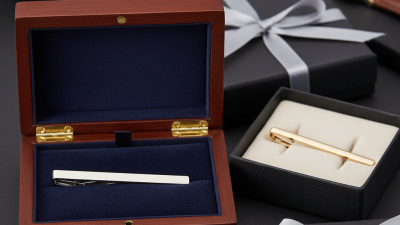
Color is another crucial aspect. A silver tie bar pairs well with most suits, while a gold option provides a bold contrast. However, matching the tie bar with other accessories can be challenging. One might find themselves overthinking a combination that should be simple. Ultimately, the choice reflects personal style and the impression you wish to convey.
How to Measure for the Perfect Tie Bar Fit
When choosing a tie bar, the right fit is crucial. You want a tie bar that complements your style while holding your tie in place. Measuring for the perfect tie bar requires attention to detail and personal preference.
To measure, start with the width of your tie. A good rule of thumb is that the tie bar should be between 1/3 to 1/2 the width of the tie. If your tie is too skinny, a larger bar may look awkward. Next, consider the length of the bar. It should fit comfortably between your lapel and your tie, typically around 2.5 to 3 inches.
Deciding on a tie bar’s placement is also essential. It should sit high enough to prevent it from slipping off but low enough to stay discreet. Remember, styles vary widely. Some prefer a minimalist approach, while others like bold designs. Ultimately, it’s about personal flair. Reflect on your choices as you measure.
Factors to Consider When Choosing a Tie Bar
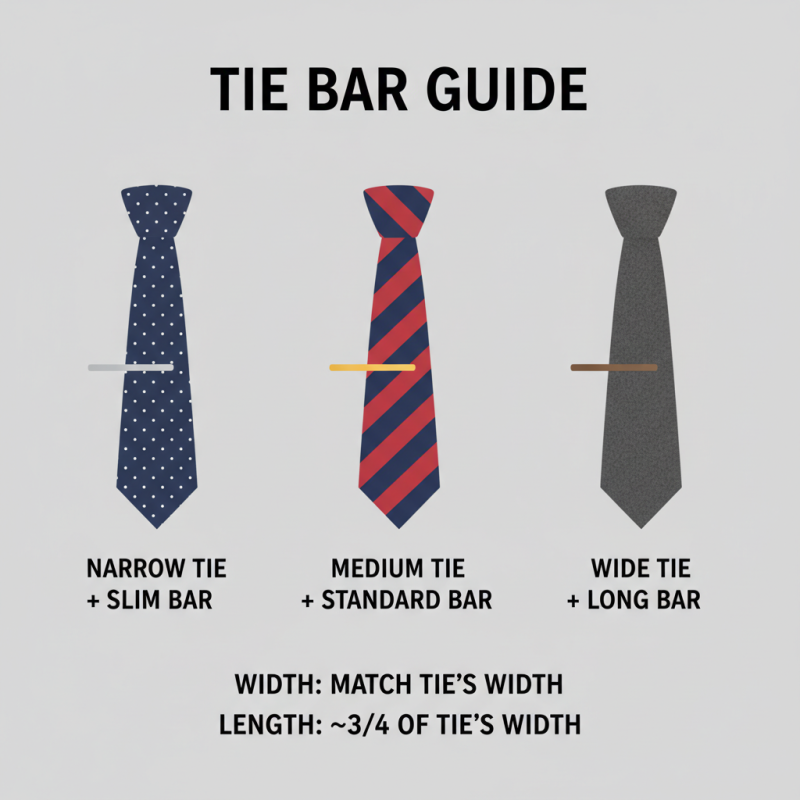
When choosing a tie bar, several factors come into play. The width of the tie bar should match the width of your tie. A narrow tie calls for a slimmer bar, while a wider tie needs a larger one. This creates balance and avoids a mismatched look. Also, consider the tie bar's length. Ideally, it should cover about three-quarters of your tie’s width.
Next, think about the material and finish. Stainless steel offers durability, while metal with a polished or matte finish can elevate your style. Gold or silver tones may clash with certain outfits, so choose wisely. Don’t forget to think about the occasion. A formal event might require a classic design, while a casual setting offers room for more creativity.
Personal preference is crucial too. Some prefer a simple design; others might like bold patterns. Reflect on what feels right for you. However, avoid overthinking it. Sometimes, the perfect choice is one that surprises you. Choosing a tie bar should enhance your outfit and reflect your personal style. Don't hesitate to experiment with different styles until you find what works best.
Styling Tips for Wearing a Tie Bar Effectively
A tie bar is a stylish accessory that adds a touch of sophistication to your outfit. However, wearing it effectively requires some thought. The right tie bar can enhance your look, but choosing the wrong one can detract from it. Here are some styling tips to help you wear a tie bar like a pro.
When selecting a tie bar, pay attention to its length. Ideally, it should cover 3/4 of your tie’s width. A bar that's too short may look awkward, while one that is overly long can steal the spotlight from your tie. According to fashion industry reports, 75% of men agree that the fit and length of a tie bar directly influence their overall style perception.
Consider the material of the tie bar. Metal options like stainless steel or brass are common, but wood or fabric can make unique statements. Experiment with different textures and finishes to find what suits your personality best. Remember, less is often more; wearing a tie bar that is too flashy can be overpowering.
When it comes to placement, ensure the bar sits between the third and fourth buttons of your dress shirt. Some say that placing it higher or lower can disrupt the flow of your attire. Don't hesitate to adjust the position for optimal effect. The goal is balance. In the world of fashion, many details matter. Small mistakes can happen, but that's how style evolves.
Popular Tie Bar Materials and Their Usage