Top Cotton Tie Manufacturers for Global Buyers?
Choosing the right Cotton Tie manufacturer requires more than comparing catalog photographs or the lowest quoted price. Global buyers need consistent fabric quality, dependable production, clear communication, and evidence of responsible business practices. A polished sample can hide uneven weaving, weak interlining, or color fading after washing. Small details matter.
Textile sourcing specialist Dr. Subhash K. Batra says, “A reliable textile supplier is measured by repeatable quality, not by a single attractive sample.” This principle should guide every supplier review. Buyers should examine cotton fiber content, fabric weight, weave density, stitching accuracy, lining structure, and colorfastness. A dependable manufacturer should provide pre-production samples and explain its inspection process. Factory experience also matters. Ask about monthly capacity, minimum order quantities, lead times, packaging, and production during busy seasons.
Top manufacturers usually support customization. They may offer woven labels, private branding, custom widths, seasonal colors, and different finishing options. Yet customization can increase costs and extend delivery schedules. That part is easy to underestimate. Factory audits, traceable materials, and recognized quality or environmental certifications can strengthen confidence, but certificates should be verified rather than accepted blindly. Buyers should also review export experience, payment terms, after-sales support, and documented defect policies.
No supplier is perfect. Even experienced factories can face delays, material shortages, or inconsistent dye lots. A careful buyer leaves time for revisions and independent inspection. The best Cotton Tie partner is not always the largest manufacturer. It is the one that communicates clearly, documents its claims, and delivers stable quality across repeated orders. Reliability is built over several shipments, not promised in one meeting.
What Defines a Leading Cotton Tie Manufacturer?
A leading cotton tie manufacturer is defined by more than a polished catalog. It shows how cotton is sourced, spun, dyed, woven, inspected, and packed. Experienced buyers should request fabric composition, yarn count, weave details, shrinkage results, and colorfastness reports. Clear records matter. Vague claims do not.
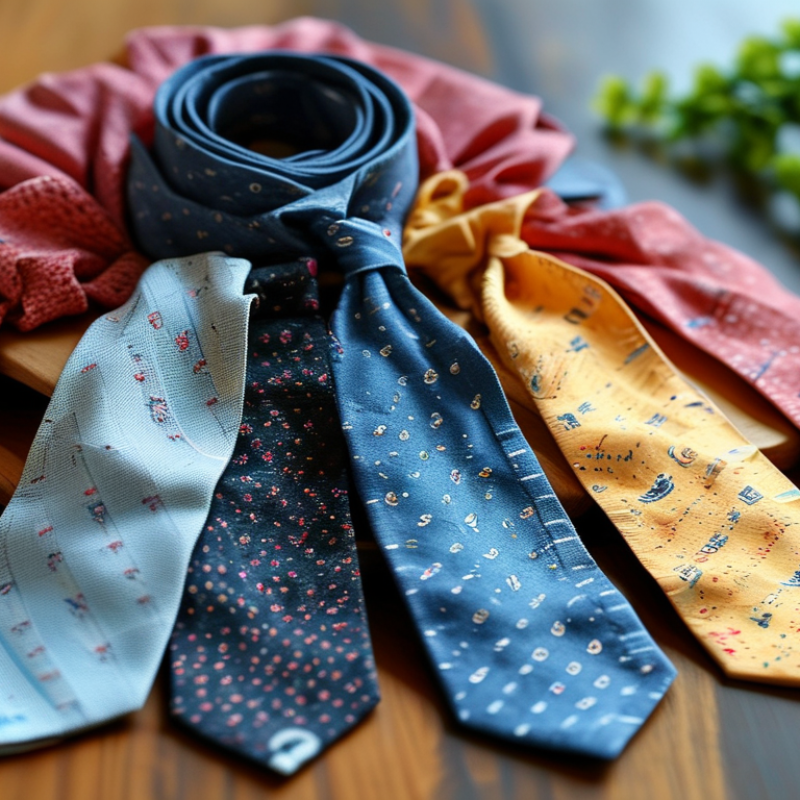
Production consistency is another test. A reliable factory keeps the same width, blade shape, lining weight, and stitching tension across repeated orders. Ask for a pre-production sample and compare it with the approved standard. On a worktable, small defects become obvious: uneven points, loose threads, dull color, or a tie that twists after knotting. These details affect returns and customer trust. Capacity should also be realistic, with documented lead times and practical responses to rush requests.
Human oversight still matters. Skilled inspectors can notice fabric slubs that automated checks miss. However, inspection should not depend on one careful employee. Written checkpoints, random sampling, and traceable batch records create stronger reliability. A manufacturer should explain its correction process when a shipment fails inspection. No supplier is perfect. Even a capable factory may underestimate seasonal demand or overlook a minor shade variation. Honest communication, measurable controls, and willingness to improve define leadership more convincingly than impressive promises.
Top Cotton Tie Manufacturers for Global Buyers
What Defines a Leading Cotton Tie Manufacturer?
This buyer evaluation benchmark highlights the factors commonly used when assessing cotton tie manufacturers. Product quality, material traceability, colorfastness, construction consistency, compliance, and delivery reliability can be verified through textile testing, supplier documentation, production inspection, and export records. The percentages represent recommended procurement priorities rather than company-specific performance data.
Key verification references include fiber-content testing, colorfastness testing, dimensional stability checks, stitching inspection, restricted-substance compliance, and documented quality-control procedures.
How to Evaluate Cotton Tie Manufacturers and Product Quality
Top Cotton Tie Manufacturers for Global Buyers
How to Evaluate Cotton Tie Manufacturers and Product Quality
A dependable cotton tie manufacturer should explain its material, processes, and quality controls clearly. Ask for fiber-composition reports, fabric weight, weave details, and dyeing information. Cotton quality varies widely. Long-staple fibers usually create a smoother surface and stronger knot. However, a soft hand feel alone proves little.
Request samples from different production lots, not only one perfect piece. Inspect the blade, lining, tipping, and keeper loop. Check whether the tie returns to shape after knotting. Rub the fabric with a white cloth to notice loose dye. Ask for colorfastness, shrinkage, and seam-strength test results. Verify the laboratory and testing dates. Documents should match the actual fabric.
Production reliability matters as much as appearance. During a factory visit, observe cutting tables, pressing equipment, and storage conditions. Cotton rolls should be labeled and protected from moisture. Ask how workers record defects and handle rework. In purchasing reviews, I have seen attractive samples hide uneven stitching in bulk orders. That mistake is easy to make. A small loose thread may be repairable, but repeated skewed blades suggest weak process control. Manufacturers should provide pre-shipment photos, inspection records, and realistic lead times. Their answers should remain consistent across sales, quality, and production teams.
Trade, Customization, and Compliance Factors for Global Buyers
For global buyers, choosing a cotton tie manufacturer involves more than comparing unit prices. Trade terms shape the real cost. Ask for the minimum order quantity, production lead time, carton dimensions, and export documents before approving a quote. A low factory price may become expensive after freight, inspection, duties, and port charges. Request pricing under clear Incoterms, such as FOB or DDP, and confirm which party handles customs clearance. Keep everything in writing.
Customization should begin with a measurable specification.
Provide fabric weight, weave, color reference, finished length, blade width, lining material, label position, and stitching details. A physical pre-production sample can reveal problems that digital artwork misses. Check color under daylight, not only under a showroom lamp. Small differences matter. Repeated sampling can delay a launch, but rushing approval often creates larger losses. Buyers should also test knot recovery and seam strength after pressing. Verify twice.
Compliance needs evidence, not a supplier’s broad promise.
Request recent test reports for restricted substances, color fastness, fiber composition, and applicable textile labeling requirements in each destination. Requirements differ across markets, and children’s accessories may face additional rules. Verify the report’s product reference, laboratory scope, and test date. Do not assume a report for one fabric covers the finished tie. That assumption is easy to make, and difficult to defend. Maintain a technical file with approved samples, invoices, inspection records, and corrective actions. One overlooked label can stop a shipment.
Comparing Cotton Tie Manufacturers by Value, Capacity, and Reliability
For global buyers, cotton tie manufacturers should be compared beyond catalog prices. Value includes fabric quality, workmanship, packaging, and delivery consistency. A low quote can hide higher replacement costs.
Experienced sourcing teams inspect cotton weight, weave density, stitching, and lining attachment. A practical sample should show clean edges, stable shape, and even color after washing. Ask for test reports covering colorfastness and dimensional stability. Small details matter.
Capacity matters. A capable manufacturer should explain monthly output, loom availability, sewing lines, and peak-season limits. Request a realistic production schedule, not a perfect promise. One supplier may offer 50,000 ties monthly, yet struggle with urgent replenishment. Another may produce less but control quality better. Bigger is not always stronger.
Reliability comes from repeatable systems. Review pre-production approvals, in-line inspections, final checks, and carton labeling procedures. Ask how defects are recorded and corrected. Clear communication also protects timelines, especially when specifications change across markets.
Price comparisons remain imperfect. Currency shifts, cotton costs, and freight can quickly change the final figure. I have seen attractive offers become expensive after rushed revisions and excessive rejected units. That experience makes landed cost more useful than unit price alone. Keep room for honest doubt. A factory that admits limitations may deserve more trust than one claiming flawless performance.