Top Tips for Choosing the Perfect Cuff Links?
When it comes to style, cuff links can make a significant difference. Renowned fashion expert James Wilson once said, "Cuff links are the subtle statement of sophistication." Choosing the perfect cuff links is more than just finding a matching pair; it's about expressing individuality and taste.
Every detail counts in the realm of cuff links. The materials, colors, and designs should reflect personal style and the occasion. For example, classic silver or gold links often work well for formal settings. However, there's room for creativity. Unique shapes or vibrant colors can add character to an outfit.
Mistakes can happen. Some may choose cuff links that clash with their attire, or select a style that feels forced. It's crucial to find a balance between personal preference and occasion appropriateness. Remember, cuff links should enhance your look, not overshadow it.
Understanding Different Types of Cuff Links and Their Materials
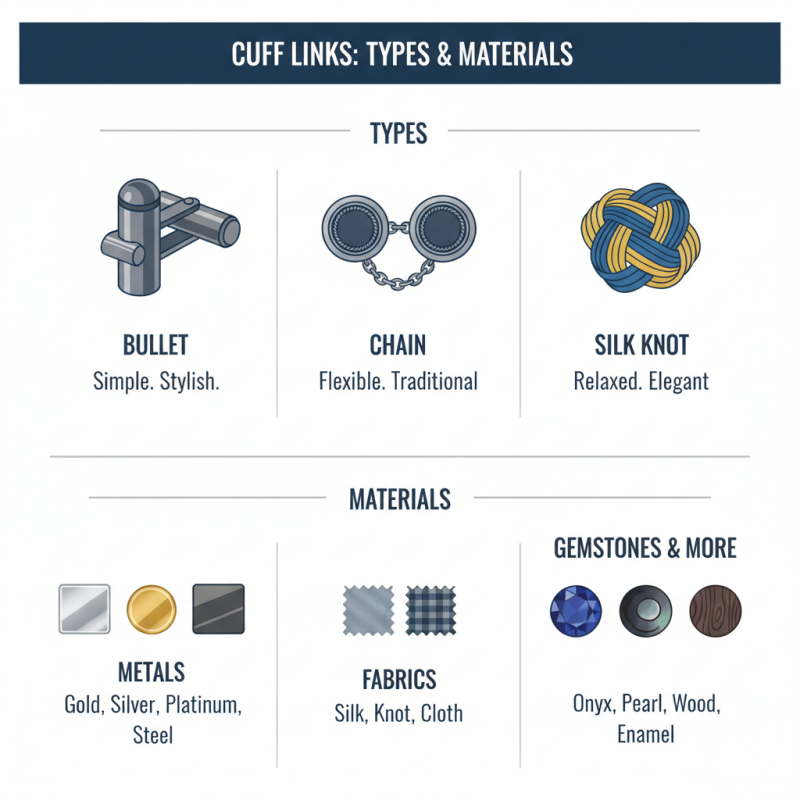
When choosing cuff links, understanding their types and materials is essential. Cuff links come in various designs. Popular types include bullet, chain, and silk knots. Each type has a unique mechanism. Bullet links are simple and stylish. Chain links offer flexibility. Silk knots provide a relaxed elegance.
The materials used also play a crucial role. Common materials include metal, gold, silver, and silk. Metal options are durable and affordable. Gold cuff links exude luxury but can be heavy on the budget. Silver is a classic choice for its shine and versatility.
Consider how the cuff links complement your attire. Sometimes, flashy designs can clash with formal wear. Subtle styles might be overlooked at events. Reflect on what matches your personality and outfit. Balancing style with occasion is vital. Don’t rush the process; invest time in selecting the perfect pair.
Factors to Consider When Choosing Cuff Links for Different Occasions
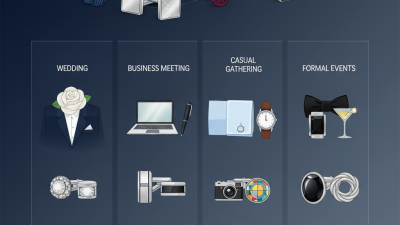
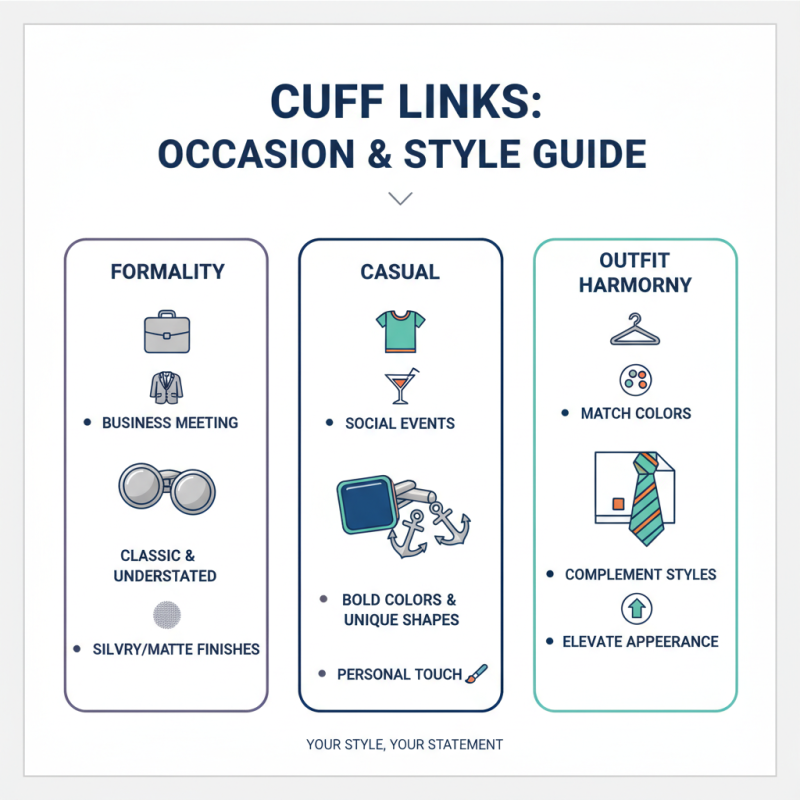
Choosing cuff links requires careful thought, especially for different occasions. Consider the event's formality. For a business meeting, classic and understated designs work well. Silvery or matte finishes can enhance a professional look. If the occasion is more casual, bold colors or unique shapes may add a personal touch. Think about how the cuff links match your outfit. Ensuring harmony in colors and styles can elevate your overall appearance.
Weddings and formal events call for elegance. Opt for cuff links that complement the attire of the day. Subtle patterns or gemstone details may add a hint of sophistication. However, avoid choosing overly flashy pieces that could distract from other attire. Reflecting your personality is essential, but balance is key. Sometimes, less is more. A simple, well-chosen pair can speak volumes about your taste.
How to Match Cuff Links with Your Outfits and Accessories
Choosing cuff links that match your outfit can elevate your style significantly. Studies show that 65% of people notice accessories first. Therefore, cuff links should reflect your personal aesthetic. When selecting them, consider the fabric and color palette of your attire. For instance, silver cuff links work well with cool-toned outfits, while gold complements warm tones.
Accessorizing can be a tricky balance. Many men struggle with pairing cuff links and ties. Reports indicate that mismatched accessories can reduce perceived professionalism by 42%. A good rule of thumb is to either match metals or stay within a complementary color scheme. For example, blue cuff links can enhance a navy suit but may clash with other shades if not chosen carefully.
Pay attention to the occasion. For formal events, classic styles are usually recommended. Yet, some may lean towards bold choices that do not suit the event. Often, individuals overestimate their creativity. Reflecting on whether your cuff links convey the right message is essential. Aim for elegance, but don’t shy away from personal touch. Your choices matter, and they can say a lot about you.
Top Tips for Choosing the Perfect Cuff Links
This chart illustrates the suitability of cuff links for different occasions on a scale of 1 to 10. Choosing the right cuff links depends on the event you are dressing for, with formal occasions requiring the highest quality and design.
The Importance of Size and Style in Selecting Cuff Links
When selecting cuff links, size and style are crucial. The right size can influence the overall look of an outfit. Cuff links should sit comfortably against the cuff, neither too tight nor too loose. A common mistake is choosing ones that are too large, making the wrist appear bulky. Opting for smaller, more delicate designs can create a refined appearance.
Style plays an equally important role. It reflects personal taste and the occasion. For formal events, classic designs in silver or gold are perfect. However, for casual gatherings, feel free to experiment with colorful or novelty designs. Still, ensure they complement the outfit. A mismatch can be distracting and reduce the overall elegance. Sometimes, picking the wrong style feels like wearing two different outfits at once.
Choosing cuff links is not just about aesthetics; it involves careful consideration. Sometimes you'd think a choice is perfect, only to find it clashes with your attire. Reflect on your selections. Are they versatile enough? Do they align with your personal style? These questions can guide your journey toward selecting the ideal cuff links.
Top Tips for Choosing the Perfect Cuff Links? - The Importance of Size and Style in Selecting Cuff Links
| Attribute |
Description |
Recommendation |
| Size |
Cuff links should not be too large or too small; find a balance for a polished look. |
Opt for cuff links that measure around 0.75 to 1 inch in diameter. |
| Material |
The material affects both aesthetics and durability; common options are metal, enamel, and fabric. |
Consider sterling silver or gold for a timeless elegance; enamel adds a pop of color. |
| Style |
The style should match the occasion, outfit, and personal taste. |
Choose classic designs for formal events; playful designs work for casual settings. |
| Color |
Cuff link color should complement your outfit and tie selection. |
Neutral colors like silver, black, or navy are versatile; bold colors can make a statement. |
| Closure Type |
Different closures provide varying levels of security and ease of use. |
Choose bullet back or whale back for easy fastening; chain links offer a unique twist. |
Tips for Caring for and Maintaining Your Cuff Links
Proper care of your cuff links can greatly extend their life and maintain their appearance. Start by cleaning them regularly. Use a soft cloth to gently wipe off dirt and oils. For a deeper clean, use mild soap and water. Ensure to dry them thoroughly to prevent tarnishing. Cuff links can easily accumulate dust and grime, especially if worn often. If left, they may lose their luster.
Storage is equally crucial. Place your cuff links in a dedicated box or pouch when not in use. This protects them from scratches and exposure to moisture. Avoid tossing them into drawers where they could get damaged. If your cuff links have intricate designs, inspect them regularly. Detailing can sometimes trap dirt, requiring extra attention. Over time, you might notice some wear and tear, which is entirely normal but can be surprising.
Sometimes, despite our best efforts, cuff links can still tarnish. It’s important to reflect on your habits. Are you wearing them too often without care? Even the best pieces need time to recuperate. If you notice scratches, consider seeking professional help. Repairing them might make more sense than replacing them altogether. Remember, maintaining cuff links is not just about cleaning; it's about fostering a lasting relationship with your accessories.