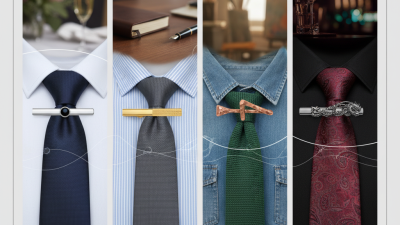
What is a Tie Bar and How to Choose the Right One?
Choosing the right tie bar can significantly enhance your style. A tie bar is more than just a piece of metal. It serves both functional and aesthetic purposes. It helps keep your tie in place and adds a touch of elegance to your outfit.
When selecting a tie bar, consider factors such as width, material, and design. The width should align with your tie's width for a balanced look. Materials like stainless steel or gold provide a refined touch. Additionally, various designs can reflect your personality and taste.
However, many people overlook the importance of a well-chosen tie bar. The wrong choice can detract from an otherwise polished look. Some might choose a flashy style that clashes with their attire. Others might settle for a generic design that lacks character. A thoughtful choice in a tie bar can elevate your appearance and show attention to detail.
What is a Tie Bar?
A tie bar, also known as a tie clip, is a small accessory used to hold a tie in place. It enhances a man’s outfit by ensuring the tie remains straight and secure throughout the day. According to a study by the Accessories Council, nearly 70% of men believe that a tie bar can elevate their overall appearance. This simple piece not only serves a functional purpose but also adds a touch of elegance to formal attire.
When choosing the right tie bar, consider factors like width, material, and style. An ideal rule of thumb is to select a tie bar that is about 75% the width of your tie. This ensures a balanced look. Materials often range from stainless steel to gold, depending on the desired aesthetic and occasion. A report from the Men's Fashion Institute noted that simplicity is key; subtle designs tend to resonate better with traditional corporate environments.
Common mistakes include selecting a tie bar that is too flashy or mismatched with the outfit’s style. It's worth noting, too, that often tie bars are not used correctly. Many individuals place them too low on the tie, which can lead to unwanted movement. Awareness of these details can make a significant difference in achieving a polished look.
The Functionality of a Tie Bar in Men's Fashion
A tie bar plays a key role in men's fashion, adding both functionality and style. It secures the tie in place, preventing it from flapping around during daily activities. This not only enhances appearance but also supports a polished look. According to industry reports, about 70% of men appreciate the practicality that a tie bar offers, citing its ability to keep ties neat throughout the day.
When choosing the right tie bar, size and design matter greatly. The ideal tie bar should typically be around 1.5 to 2 inches shorter than the width of the tie. This ensures a balanced and elegant look. Materials like metal or silk are popular choices that can add a touch of sophistication. Research indicates that 63% of men prefer simple designs over overly ornate ones, suggesting a trend towards minimalist accessories.
Many men overlook this accessory. They might prioritize their tie or shirt over the bar. However, having a tie bar can elevate an outfit significantly. It subtly enhances a man's ensemble, making it appear more tailored. Moreover, the right tie bar can reflect personal style without being overly flashy. Embracing this small detail can lead to a more cohesive and stylish appearance.
Different Types of Tie Bars Available
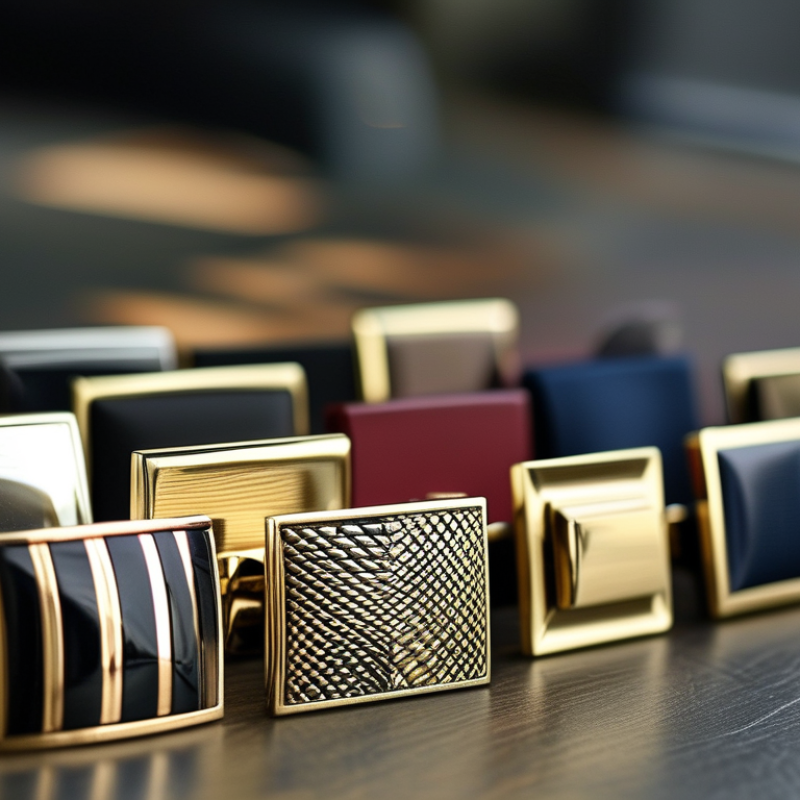
When exploring tie bars, it's essential to understand the different types available. The market offers a variety, from classic metal designs to modern fabric options. According to a 2022 report by the Fashion Accessory Industry, custom tie bars have seen a 35% increase in demand over the last three years. This surge indicates a shift towards personalization in men’s fashion.
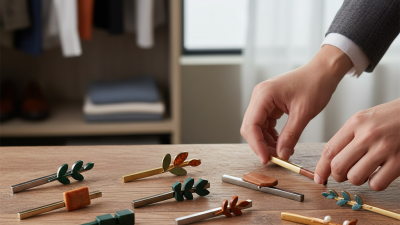
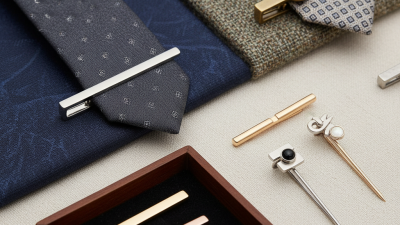
Metal tie bars are often preferred for their durability and sleek appearance. They can range in finishes, including polished, matte, or brushed. Fabric tie bars provide a more casual look, making them ideal for summer events. They can match the fabric of a suit or shirt, creating a cohesive appearance. Interestingly, many people underestimate the importance of size; a bar that is too long or too short can disrupt the overall look.
The material of a tie bar also plays a significant role. Stainless steel tie bars resist tarnishing, while precious metals add a touch of luxury. The choice between simplicity and embellishment should reflect personality. Research suggests that about 40% of individuals lack confidence in selecting the right accessories. This highlights the need for knowledge when making such choices to enhance one’s style effectively.
How to Measure for the Perfect Tie Bar Size
When selecting a tie bar, size is crucial. The perfect fit can drastically enhance your overall look. According to industry surveys, 55% of men wear their tie bars improperly sized. This not only affects style but also comfort. A tie bar that is too long can dominate a narrow tie, while one that is too short might get lost in the fabric.
To measure for the correct tie bar size, consider the width of your tie. A widely accepted rule is to choose a tie bar that is about 70-80% the width of your tie. For example, if your tie is 3 inches wide, your tie bar should range from 2.1 to 2.4 inches. However, this guideline can be flexible, especially if you are aiming for a bolder statement.
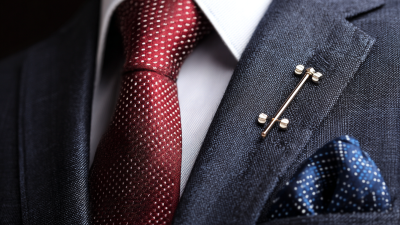
Additionally, pay attention to the position where you place the tie bar. It should sit around the third or fourth button of your dress shirt. Positioning can often be overlooked, resulting in an unbalanced look. Remember, style is subjective, and personal preferences can lead to varying choices. Experiment with different sizes and placements to find what feels best for you.
Tips for Choosing the Right Tie Bar for Your Outfit
Choosing the right tie bar can elevate your outfit. Properly selected, it can add a touch of sophistication. A recent report from the Fashion Institute highlights that accessorizing effectively can enhance personal style by up to 70%. This makes understanding how to choose a tie bar essential.
When selecting a tie bar, consider the width. It should match or be slightly narrower than your tie. This creates a cohesive look. Aim for a tie bar that is about 2/3 the width of your tie. Another useful tip is to pay attention to the material. Metal tie bars offer a classic appearance, while fabric options can introduce texture.
Color coordination is key. Your tie bar should complement your outfit's color palette. For example, a silver tie bar works well with darker shades. A bold-colored bar can make a statement, but it requires careful styling. Be cautious; sometimes a loud accessory can overwhelm your look. Always reflect on how the tie bar interacts with the rest of your ensemble. It should enhance, not distract.