Choosing suit accessories in 2026 is less about collecting expensive items. It is about creating a controlled, convincing appearance. Suit Accessories Men should support the suit’s fabric, color, proportions, and setting. A navy wool suit may need a textured burgundy tie, a white pocket square, and dark brown leather shoes. A charcoal business suit usually benefits from cleaner choices, such as black Oxford shoes and a slim silver watch.
Small details speak loudly.
Hardy Amies, the respected British designer, once said, “It is totally impossible to be well-dressed in cheap shoes.” His advice remains useful because footwear affects posture, comfort, and the suit’s visual balance. Yet accessories should not become a costume. A polished belt with a mismatched watch can weaken an otherwise excellent outfit. Overly bright cuff links may distract during a client meeting. Even a premium tie can look wrong when its width conflicts with the jacket’s lapels.
This guide examines how to choose accessories with practical judgment. It considers color harmony, leather consistency, watch size, seasonal texture, and professional dress codes. It also looks at modern options, including understated smartwatches and sustainable materials. Personal taste matters, but it is not always reliable. I have learned that an accessory can look impressive alone and still fail beside the complete suit. That uncomfortable detail deserves attention. The best choices often feel almost invisible. They make the wearer appear prepared, not decorated.
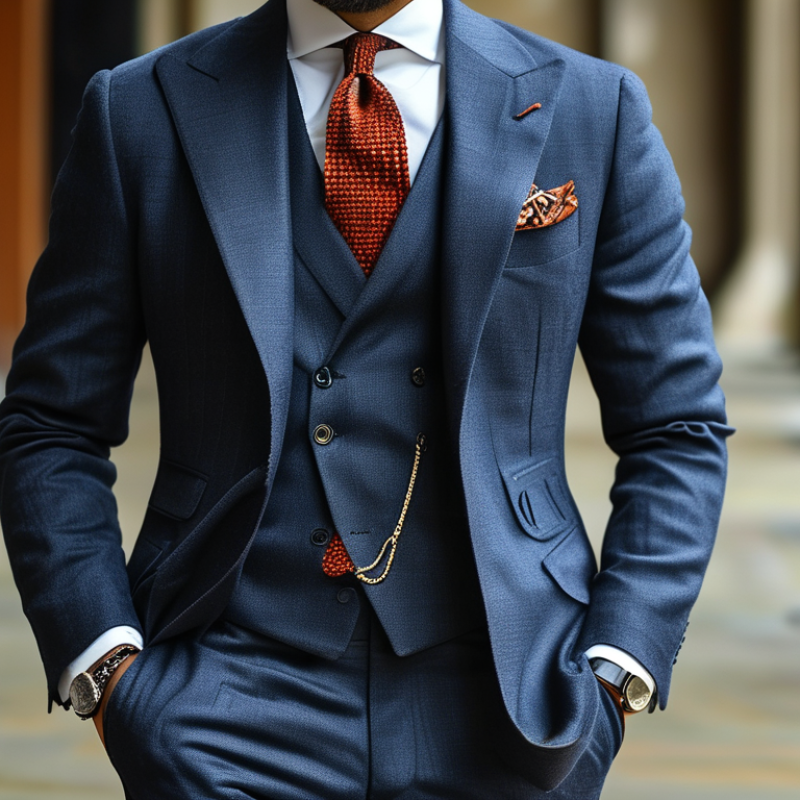
How to Choose Suit Accessories for Men in 2026?
The 2025 YouGov Formalwear Survey should guide your choices, not dictate them. Survey responses can reveal how people understand “formalwear” today. That definition is no longer universal. A wedding, interview, and evening gala may require different accessories.
Read the survey wording carefully. “Formal” might mean a full suit for one group. Another group may include a blazer, open collar, and clean leather shoes. This difference matters. Match each accessory to the event’s actual dress code. For business settings, choose a slim watch, quiet tie, and structured leather belt. For a wedding, add a textured pocket square. Keep its colors connected to the shirt or tie.
Black-tie dress codes need stricter control. Use a white pocket square, simple cufflinks, and polished black shoes. Avoid oversized watches or bright metals. Small details become obvious under evening lights. I have found that fit affects accessories more than cost. A loose sleeve can make excellent cufflinks look careless.
The survey offers useful evidence, but it cannot replace judgment. Check the invitation, venue, time, and local expectations. Some advice online feels too absolute. That is a weakness. A restrained accessory choice may look underdressed in one room and perfectly confident in another. Test the full outfit in natural light before leaving.
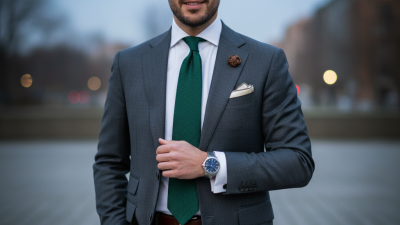
How to Choose Suit Accessories for Men in 2026?
A polished suit depends on more than color matching. Fit should guide every accessory choice. The ISO 8559 series defines body measurements used for clothing size systems. It does not guarantee a perfect fit. Measure chest, waist, neck, wrist, and inseam with a relaxed posture. A tailor should confirm these numbers on the finished jacket and trousers.
ASTM D6193 offers useful guidance for stitch and seam construction. Inspect the tie’s edge, the belt’s stitching, and the pocket square’s rolled hem. Even, tight stitches usually signal better control. Loose threads or puckered seams can weaken the accessory’s appearance. Check alignment at stress points, especially belt holes and cufflink settings. I have found that a beautiful accessory can look careless when its proportions fight the jacket. That mistake is easy to miss in a fitting room.
Tips: Match the tie width with the lapel width. Keep the belt close to the shoe color. Choose a pocket square that repeats one suit tone, not every tone. Leave enough room for movement. A stiff cuff can ruin an otherwise comfortable shirt.
The Business of Fashion and McKinsey’s State of Fashion 2024 report projected only 2% to 4% global fashion growth. That slower market makes durable construction more valuable. Textile Exchange’s Materials Market Report 2024 recorded 124 million tonnes of global fiber production in 2023. More production does not mean better quality. Check the details yourself, and question labels that sound precise but provide no measurement method.
Use ISO 8559 measurement terminology to identify the relevant body dimensions and ASTM D6193 construction principles to inspect stitch and seam quality. These standards provide measurement and sewn-product guidance; the practical fit targets below are selection guidelines rather than universal pass/fail requirements.
| Suit Accessory | ISO 8559 Measurement Dimension | Practical Fit or Size Guide | ASTM D6193 Construction Check | Recommended Selection Action |
|---|---|---|---|---|
| Dress Shirt Collar | Neck circumference, measured around the base of the neck | Choose a collar measurement approximately 1.0–2.0 cm larger than the measured neck circumference so one finger can fit comfortably between the neck and collar. | Inspect the collar stand, collar points, button attachment, and seam margins for even stitching, secure thread ends, and no skipped stitches. | Measure the neck while standing naturally and wearing a thin shirt. Do not size from the shirt chest measurement alone. |
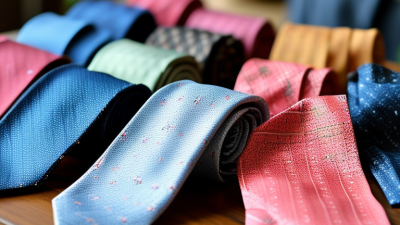
| Tie | Stature and torso proportions; neck circumference for knot comfort | A standard tie is commonly about 145–150 cm long. The finished tip should reach the belt or waistband area when tied with the intended knot. | Check the keeper loop, bar-tack areas, folded edges, lining, and slip stitch. Seams should lie flat without puckering or exposed raw edges. | Select tie width in proportion to the lapel width. Use a longer tie or a smaller knot when the finished tip falls above the waistband. |
| Belt | Waist circumference at the level where the trousers are worn | Measure over the intended trousers. A useful starting point is a belt size about 5 cm greater than the waist measurement to the middle hole, subject to the maker's measurement method. | Inspect buckle attachment, keeper-loop seams, edge stitching, and the area around adjustment holes for balanced, secure construction. | Avoid using a bare-body waist measurement when the belt will be worn over suit trousers. Confirm that the buckle rests near the center hole. |
| Pocket Square | Chest circumference and pocket placement; these affect visual proportion rather than the square's nominal size | Common finished sizes are approximately 30–45 cm square. Use a smaller or thinner square for a narrow breast pocket and a larger square for a deep pocket. | Check the rolled or folded edge for consistent stitch density, even corners, secure thread ends, and no distortion after folding. | Test the actual fold in the jacket pocket. The visible projection is usually kept modest so it does not cover the lapel. |
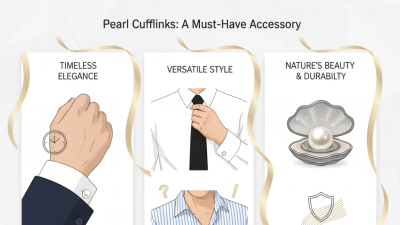
| Cufflinks | Wrist circumference and hand clearance; sleeve length is checked against the wrist position | The cuff should close without compressing the wrist. When the arm is relaxed, approximately 1–1.5 cm of shirt cuff commonly shows beyond the jacket sleeve. | Inspect the cuff buttonholes and attachment points for clean edges, reinforced ends, secure stitching, and adequate clearance for the fastening mechanism. | Choose a compact fastening design for a close-fitting cuff and a larger face only when it does not catch on the jacket sleeve. |
| Dress Watch | Wrist circumference and forearm proportion | The strap should allow comfortable movement without sliding excessively. A slim case is generally easier to wear under a fitted shirt cuff. | For textile or leather straps, inspect keeper loops, buckle stitching, edge finishing, and stress points for secure, even construction. | Measure the wrist at the normal wearing position and check the watch with the shirt cuff closed, not only on an uncovered wrist. |
| Dress Socks | Foot length, foot circumference, and lower-leg coverage | Choose a size range that matches foot length and allows the sock to stay up without cutting into the calf. Knee-high styles provide greater coverage when seated. | Check toe and heel seams for smooth joining, secure ends, consistent knit tension, and no holes or loose loops at high-stress areas. | Try socks with the actual dress shoe. Confirm that no skin is exposed between the trouser hem and sock while sitting. |
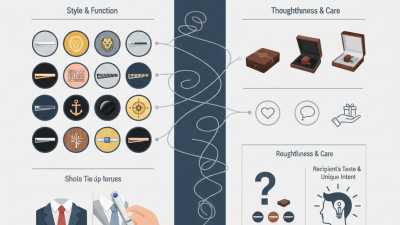
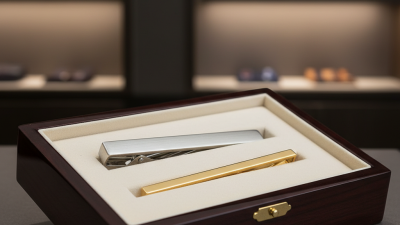
| Tie Bar | Chest width and tie width; these determine visual scale | Position the tie bar between the third and fourth shirt buttons. Its length is commonly about 50–75% of the tie's visible width. | For fabric-covered or stitched components, inspect attachment points and edge finishing. The clip should grip the tie and shirt without damaging either fabric. | Clip the tie bar horizontally through both tie layers and the shirt placket; do not attach it only to the front layer of the tie. |
| Lapel Pin or Boutonnière | Chest circumference and lapel placement | Keep the accessory proportionate to the lapel and place it near the lapel buttonhole area without pulling the lapel out of shape. | Inspect fabric loops, backing, and attachment stitches. Fastening points should be secure and should not create visible puckering on the lapel. | Test the pin while wearing the complete jacket. Avoid placement that interferes with the lapel roll or creates a visible drag line. |
Classic menswear still depends on proportion, not decoration. McKinsey’s The State of Fashion 2025 forecasts only 2–4% global fashion growth, making versatile purchases more valuable. A well-chosen tie should nearly match the lapel width. For most modern suits, 7.5–8.5 centimetres works well. Broad shoulders can support a wider tie. Narrow lapels need a slimmer one. Too much contrast can make the chest look crowded.
Keep the belt visually quieter than the tie. A 3–3.5 centimetre leather belt usually suits tailored trousers without competing with the jacket. Match its leather tone and finish with the shoes. The shoe’s visual width should echo the trouser line. Full trousers can handle substantial lace-up shoes, while tapered trousers look cleaner with a narrower shape. Leave a small break above the shoe. Less bunching.
I still break this rule sometimes. A perfectly matched set can look strangely rehearsed. Texture matters too. A matte knit tie, smooth belt, and lightly grained shoe create useful contrast. The 2024 Global Powers of Luxury Goods analysis from Deloitte also highlights consumers’ stronger focus on perceived value and durability. That supports choosing fewer, better-made accessories. Check your proportions in a mirror from several steps away. Details disappear up close. A tie may look elegant in your hand, yet overpower the suit when worn. Expect to adjust.
How to Choose Suit Accessories for Men in 2026?
Suit accessories deserve the same fabric attention as jackets and trousers. Textile Exchange’s 2024 Materials Market Report estimates global fiber production reached 124 million tonnes in 2023. Polyester represented about 57%, while cotton accounted for roughly 19%. These figures make fiber choice impossible to ignore.
For a formal tie, choose tightly woven silk, wool, or a carefully documented recycled fiber. Wool adds texture to a plain navy suit and usually holds its shape well. Cotton pocket squares feel lighter and suit warm offices. For belts and watch straps, inspect the backing, stitching, and material disclosure. A polished surface can hide weak construction.
Look closely.
I prefer accessories with clear fiber information, manufacturing details, and care instructions. Recycled content may reduce reliance on virgin resources, but it does not automatically prove lower impact. The full supply chain matters, including energy, dyeing, transport, and durability. Textile Exchange’s data offers useful market context, not a personal sustainability score.
A practical test is simple: wear each accessory repeatedly before buying another. A tie that wrinkles after one meeting is poor value, whatever its label says. I still find fiber percentages difficult to compare across products. Certifications and supplier evidence can help, but they require careful reading. Choose fewer pieces, stronger construction, and materials suited to your climate and daily routine.
Choose Fabrics with Textile Exchange’s 2024 Global Fiber Data
Polyester represented the largest share of global fiber production in 2023, while cotton, manmade cellulosic fibers, polyamide, polypropylene, wool, and other fibers made up the remaining volume. For suit accessories, cotton and wool can provide a natural handfeel, regenerated cellulosic fibers can offer a smooth drape, and polyester or polyamide can improve durability and crease resistance. Data are rounded shares based on Textile Exchange’s Materials Market Report 2024.
Choosing suit accessories in 2026 starts with a budget, not a shopping list.
Circana’s 2025 U.S. menswear market insights provide useful context: shoppers are selective, and value matters across clothing categories. That does not mean buying the cheapest tie. It means matching spending to wear frequency, quality, and occasion.
Set a total accessory limit before shopping. Try 10 to 15 percent of the suit’s price for shoes, a belt, tie, pocket square, and cufflinks.
Adjust it downward for occasional wear. Increase it only when each item supports several outfits.
Build the budget around the most visible and useful pieces.
Allocate about half to shoes, because comfort and maintenance affect repeated wear. Reserve roughly a quarter for a belt and tie. Use the remainder for a pocket square, socks, or cufflinks.
A white cotton pocket square can suit weddings, interviews, and dinners. A dark leather belt may work with multiple suits.
Keep colors restrained. They age better.
Circana’s data should guide restraint, not replace judgment.
Inspect stitching, lining, leather flexibility, and hardware before paying. Ask whether an accessory solves a real wardrobe gap.
I once overvalued decorative cufflinks and ignored uncomfortable shoes. The outfit looked polished but felt wrong after an hour. That mistake still matters.
Leave 10 percent unspent for alterations, repairs, or one missing neutral item. Review the plan after three wears, because imagined versatility can differ from daily experience.