Explore the Best Cufflink Case Options for Global Buyers?
Finding the perfect cufflink case is essential for collectors and enthusiasts alike. A quality cufflink case protects valuable pieces while showcasing them beautifully. The right case can enhance your wardrobe and add a touch of elegance.
Global buyers often face challenges in choosing the ideal cufflink case. Diverse designs, materials, and sizes are available, making the selection process daunting. A well-crafted case not only ensures safety but also reflects personal style. You may wonder which features matter most.
When selecting a cufflink case, consider functionality and aesthetics. Look for durable materials that withstand wear. Choose a design that suits your taste and storage needs. Remember, the perfect cufflink case combines practicality and elegance, creating a thoughtful home for your cherished accessories.
Understanding Cufflink Cases: Types and Features
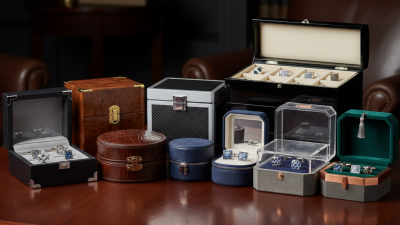
Cufflink cases are essential for anyone who cares about their accessories. These cases come in various types, each serving a specific purpose.
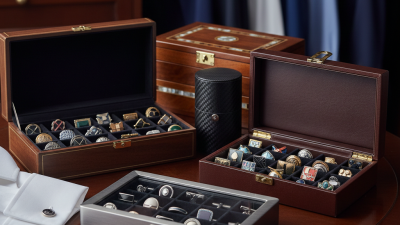
Leather cases offer elegance and durability, making them a popular choice. They often have plush interiors that protect cufflinks from scratches.
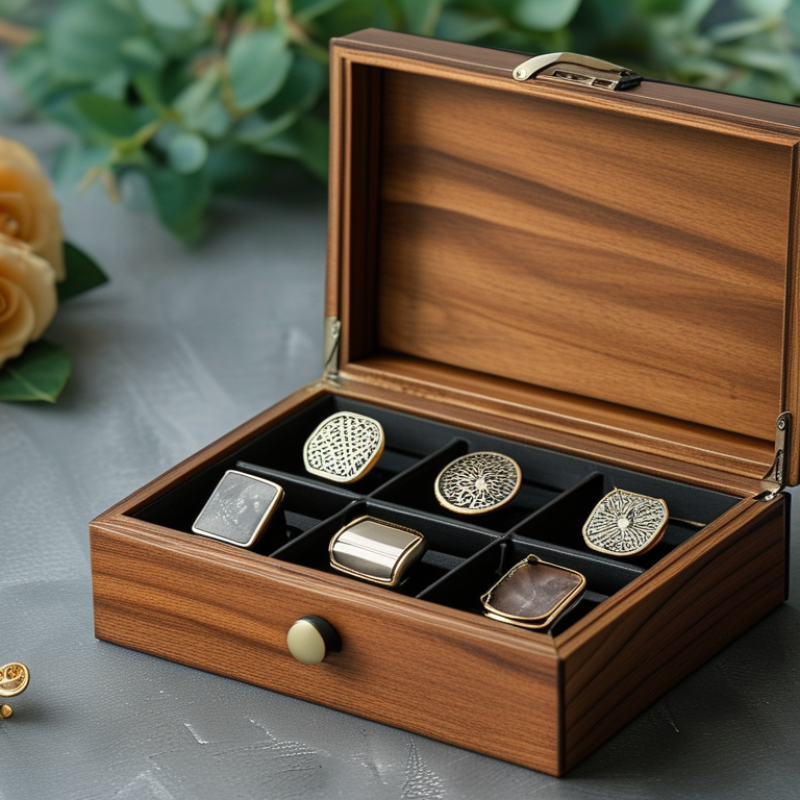
Wooden cases are another appealing option. They provide a classic look that many appreciate. The wood finish can vary, giving buyers a range of styles to choose from.
Some wooden cases come with glass lids, allowing for easy viewing of the cufflink collection. This feature is both practical and stylish.
Portable options are also available. These lightweight cases are designed for travel. They make it easy to carry cufflinks without risking damage.
However, some users find these cases lack the sturdiness needed for long-term storage.
Choosing the right cufflink case requires balancing aesthetics and functionality. Understanding individual needs is crucial in this decision-making process.
Essential Materials Used in Cufflink Case Construction
When selecting a cufflink case, the materials used in its construction are crucial. Many cases are crafted from leather, which provides a classic and elegant appearance. Leather cases often feature soft interiors to prevent scratches on cufflinks. However, they can be susceptible to wear over time. Regular maintenance is necessary to keep them looking new.
Another popular material is wood. Wooden cases offer a robust and luxurious feel. They can come in various finishes, enhancing the aesthetic appeal. However, wood can be heavier and less portable than other materials. This weight might not suit everyone, especially on travels.
For those seeking modern designs, metal cases made from aluminum or stainless steel are ideal. They provide durability and a sleek look. Yet, the rigid construction might not always protect delicate cufflinks as well as softer materials. It's essential to consider the balance between protection and style. Ultimately, selecting a cufflink case should blend your personal taste with practical considerations about longevity and functionality.
Top Cufflink Case Brands for Quality and Style
When considering cufflink cases, quality and style are paramount for buyers. Many seek options that not only protect their accessories but also enhance their overall aesthetic. The luxury accessories market has shown steady growth, with a report indicating a market value increase of 6% annually, highlighting the growing demand for high-quality products.
Several brands focus on craftsmanship and unique designs. Materials like leather and wood have become popular for their durability and elegance. However, not all brands meet the expectations of discerning consumers. A study suggests that 70% of buyers prefer cases that offer both organization and visual appeal. Many cases come with dedicated slots, ensuring cufflinks remain untangled and visible.
While some find their ideal case easily, others struggle with choices that lack function or style. Commonly overlooked details, such as storage capacity and padding, can affect long-term satisfaction. It’s crucial to reflect on individual needs versus available options, as this ensures a more fruitful investment. Quality can vary significantly, prompting buyers to weigh their options carefully.
Top Cufflink Case Brands: Quality and Style Comparison
Factors to Consider When Choosing a Cufflink Case
When selecting a cufflink case, buyers should consider various factors that impact functionality and aesthetics. Material quality is paramount. Well-constructed cases use durable materials like leather or sturdy plastics. A survey by the Accessories Council indicates that 72% of consumers prioritize quality in their purchases. This highlights the need for investing in a case that protects cufflinks while looking visually appealing.
Size and design also play crucial roles. A case should accommodate various cufflink styles without damaging them. Research shows that 65% of cufflink buyers prefer versatile designs that can be used for formal and casual occasions. Additionally, the interior layout matters. Some cases feature compartments designed to separate cufflinks, reducing the risk of scratches. This factor often goes overlooked but can enhance the longevity of the cufflinks.
Finally, consider the ease of use. A case should be easy to open and close while securely holding its contents. Feedback from cufflink collectors reveals that cumbersome designs are frustrating. Selecting the perfect cufflink case requires careful thought. Each aspect affects not only the style but also the practicality of use. Buyers should reflect on their personal needs before making a choice.
Explore the Best Cufflink Case Options for Global Buyers
| Material |
Capacity |
Closure Type |
Dimensions (L x W x H) |
Price Range ($) |
| Leather |
6 Pairs |
Snap Closure |
5 x 3 x 2 inches |
30 - 50 |
| Wood |
12 Pairs |
Hinged Lid |
10 x 6 x 3 inches |
40 - 80 |
| Metal |
8 Pairs |
Magnetic Closure |
6 x 4 x 2 inches |
25 - 45 |
| Fabric |
4 Pairs |
Zipper |
7 x 5 x 1 inches |
15 - 30 |
| Acrylic |
10 Pairs |
Sliding Lid |
8 x 4 x 3 inches |
20 - 35 |
Where to Buy Cufflink Cases: Online vs. Retail Options
When shopping for cufflink cases, buyers have two main avenues: online and retail options. Online marketplaces offer incredible variety. Buyers can explore different styles, materials, and sizes from the comfort of their homes. This convenience allows for easy price comparisons and customer reviews, which can guide purchasing decisions. A simple search can yield options that suit any aesthetic preference, from classic to modern.
In contrast, retail options provide a tactile experience. Visiting a store allows potential buyers to feel the quality of materials and dimensions firsthand. This can be crucial for finding the perfect fit for one’s collection. However, the selection might be limited compared to online offerings. Local shops might carry unique designs not found elsewhere, adding an element of surprise.
Despite the advantages of both options, there are challenges. Online shopping can lead to disappointment if products don’t match expectations. Pictures online might not reveal all the flaws. Meanwhile, local shops may not have the specific style you seek, requiring multiple trips. Each option has its strengths and weaknesses. Buyers should weigh them carefully to find the best cufflink case for their needs.